
Pick a language and start learning!





Using interrogative pronouns (chi, cosa) Exercises in Italian language

Mastering the use of interrogative pronouns is a crucial step in learning any language, and Italian is no exception. In Italian, two of the most common interrogative pronouns are "chi" (who) and "cosa" (what). These words are the building blocks of many questions and are essential for engaging in everyday conversations. By understanding how to use "chi" and "cosa," you will be able to ask clear and precise questions, whether you're inquiring about a person's identity or seeking information about an object or situation. This foundational skill will significantly enhance your ability to communicate effectively in Italian.
"Chi" is used when you want to ask about people. For instance, "Chi è?" translates to "Who is it?" and "Chi ha parlato?" means "Who spoke?" On the other hand, "cosa" is used when asking about things or actions. Examples include "Cosa fai?" which means "What are you doing?" and "Cosa significa?" meaning "What does it mean?" By practicing these interrogative pronouns through various exercises, you will not only improve your question-asking abilities but also gain confidence in your overall Italian language proficiency. Dive into the exercises provided and start enhancing your understanding and usage of "chi" and "cosa" today!
Exercise 1
<p>1. *Chi* ha preso il mio libro? (who)</p>
<p>2. *Cosa* stai mangiando per cena? (what)</p>
<p>3. *Chi* viene alla festa stasera? (who)</p>
<p>4. Non so *cosa* fare domani. (what)</p>
<p>5. *Chi* è il tuo insegnante di italiano? (who)</p>
<p>6. *Cosa* hai comprato al mercato? (what)</p>
<p>7. *Chi* ha chiamato poco fa? (who)</p>
<p>8. *Cosa* ti piace fare nel tempo libero? (what)</p>
<p>9. *Chi* ha scritto questa lettera? (who)</p>
<p>10. *Cosa* stai leggendo? (what)</p>
Exercise 2
<p>1. *Chi* ha rotto il vaso? (interrogative pronoun for "who")</p>
<p>2. *Cosa* vuoi mangiare per cena? (interrogative pronoun for "what")</p>
<p>3. *Chi* ha chiamato mentre non c'eri? (interrogative pronoun for "who")</p>
<p>4. *Cosa* hai comprato al mercato? (interrogative pronoun for "what")</p>
<p>5. *Chi* è venuto alla festa ieri sera? (interrogative pronoun for "who")</p>
<p>6. *Cosa* stai leggendo in questo momento? (interrogative pronoun for "what")</p>
<p>7. *Chi* ha lasciato la porta aperta? (interrogative pronoun for "who")</p>
<p>8. *Cosa* hai detto a Maria? (interrogative pronoun for "what")</p>
<p>9. *Chi* ti ha aiutato con i compiti? (interrogative pronoun for "who")</p>
<p>10. *Cosa* ti piace fare nel tempo libero? (interrogative pronoun for "what")</p>
Exercise 3
<p>1. *Chi* ha mangiato tutta la torta? (Who ate all the cake?)</p>
<p>2. Non so *cosa* vogliono per cena. (What do they want for dinner?)</p>
<p>3. *Chi* è il tuo insegnante di matematica? (Who is your math teacher?)</p>
<p>4. Sai *cosa* significa questa parola? (Do you know what this word means?)</p>
<p>5. *Chi* ha scritto questo libro? (Who wrote this book?)</p>
<p>6. Mi chiedo *cosa* ci sarà nel pacco. (I wonder what will be in the package?)</p>
<p>7. *Chi* ha telefonato mentre eri fuori? (Who called while you were out?)</p>
<p>8. *Cosa* stai guardando in TV? (What are you watching on TV?)</p>
<p>9. *Chi* viene alla festa stasera? (Who is coming to the party tonight?)</p>
<p>10. Non ricordo *cosa* dovevo fare oggi. (I don't remember what I had to do today.)</p>
Enhance Your Language Skills with AI
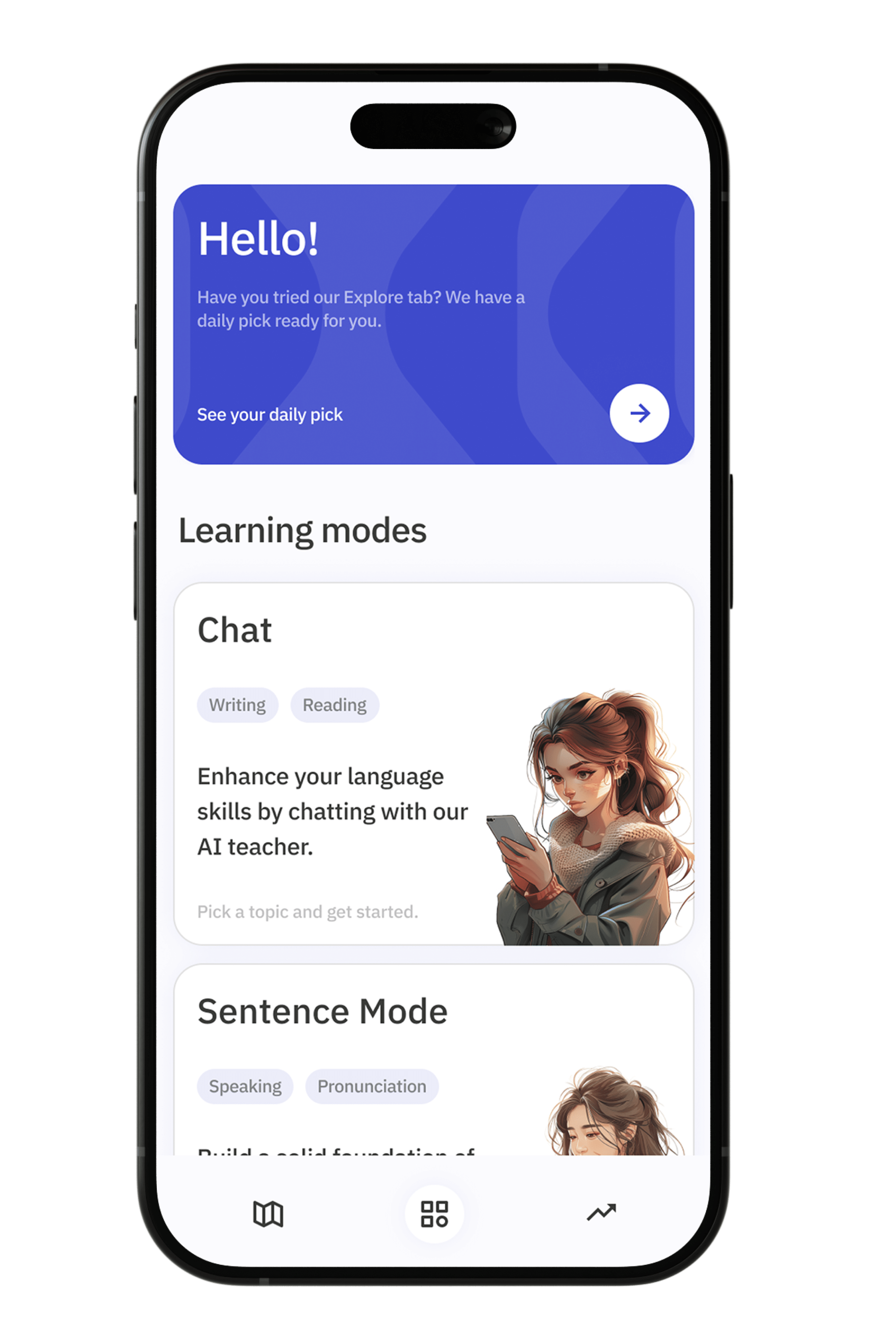
Talkpal is an AI-powered language teacher. Learn 57+ languages 5x faster with innovative technology.