
Pick a language and start learning!





Pronoun cases (nominative, accusative, dative, genitive) Exercises in German language

Mastering pronoun cases is essential for achieving fluency in the German language. Unlike English, German pronouns change form depending on their function within a sentence. This can make learning the language both challenging and rewarding. The four primary cases—nominative, accusative, dative, and genitive—each serve distinct grammatical roles. The nominative case is used for the subject of a sentence, the accusative for direct objects, the dative for indirect objects, and the genitive to show possession. Understanding these distinctions is crucial for proper sentence construction and communication in German.
Our grammar exercises will guide you through the complexities of each pronoun case, providing you with practical examples and interactive practice. By consistently applying these exercises, you'll develop a more intuitive grasp of how to use German pronouns correctly in various contexts. Whether you're writing an essay, engaging in conversation, or simply reading German texts, a solid understanding of pronoun cases will enhance your overall proficiency and confidence in the language. Dive in, and let's start transforming your German skills today!
Exercise 1
<p>1. *Der* Hund spielt im Garten (subject, masculine, nominative).</p>
<p>2. Ich gebe *dir* ein Geschenk (indirect object, second person singular, dative).</p>
<p>3. Wir haben *einen* neuen Tisch gekauft (direct object, masculine, accusative).</p>
<p>4. *Ihr* Auto ist sehr schnell (possessive pronoun, third person singular, genitive).</p>
<p>5. Sie liebt *ihn* sehr (direct object, third person singular, accusative).</p>
<p>6. Der Lehrer erklärt *den* Schülern die Aufgabe (indirect object, plural, dative).</p>
<p>7. Das ist das Buch *des* Autors (possession, masculine, genitive).</p>
<p>8. *Er* hat heute frei (subject, third person singular, nominative).</p>
<p>9. Wir warten auf *euch* (direct object, second person plural, accusative).</p>
<p>10. Ich habe das Geschenk *ihrer* Mutter gegeben (possession, third person singular, genitive).</p>
Exercise 2
<p>1. *Er* gibt dem Mann das Buch (nominative pronoun for "he").</p>
<p>2. Ich habe *sie* gestern im Park gesehen (accusative pronoun for "she").</p>
<p>3. Wir fahren mit *ihm* nach Berlin (dative pronoun for "he").</p>
<p>4. Das ist das Haus *seiner* Eltern (genitive pronoun for "his").</p>
<p>5. *Sie* haben den Film gestern gesehen (nominative pronoun for "they").</p>
<p>6. Er gibt *ihr* die Blumen (dative pronoun for "she").</p>
<p>7. Der Hund folgt *uns* nach Hause (dative pronoun for "we").</p>
<p>8. Hast du *sie* im Restaurant gesehen? (accusative pronoun for "they").</p>
<p>9. Das Auto *meines* Bruders ist neu (genitive pronoun for "my").</p>
<p>10. *Wir* gehen heute Abend ins Kino (nominative pronoun for "we").</p>
Exercise 3
<p>1. *Der* Hund spielt im Garten. (The subject of the sentence)</p>
<p>2. Ich gebe *dem* Mann das Buch. (To whom am I giving the book?)</p>
<p>3. Der Ball ist *des* Jungen. (Whose ball is it?)</p>
<p>4. Sie sieht *den* Film im Kino. (What is she watching?)</p>
<p>5. Wir helfen *der* Frau mit den Einkäufen. (To whom are we helping?)</p>
<p>6. *Die* Katze schläft auf dem Sofa. (Which animal is sleeping?)</p>
<p>7. Ich habe *einen* Apfel gegessen. (What did I eat?)</p>
<p>8. Das Geschenk ist für *den* Lehrer. (For whom is the gift?)</p>
<p>9. *Das* Buch gehört meinem Bruder. (What belongs to my brother?)</p>
<p>10. Er erzählt *dem* Kind eine Geschichte. (To whom is he telling a story?)</p>
Enhance Your Language Skills with AI
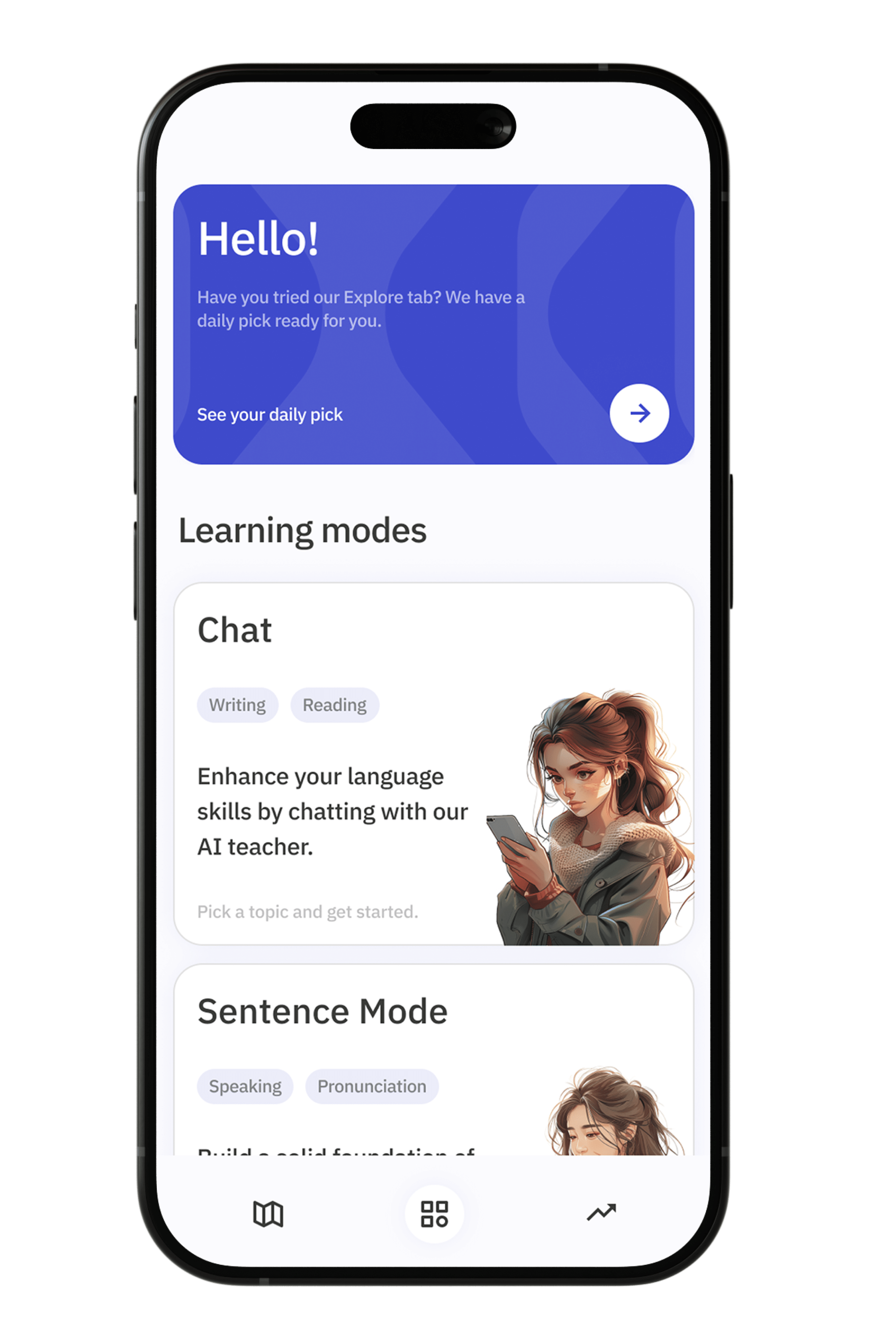
Talkpal is an AI-powered language teacher. Learn 57+ languages 5x faster with innovative technology.