
Pick a language and start learning!





Present Simple vs. Present Continuous Exercises in English language

Understanding the nuances between the Present Simple and Present Continuous tenses is essential for mastering English. The Present Simple tense is used to describe habitual actions, general truths, and fixed arrangements. For example, "She walks to school every day" or "The Earth orbits the sun." This tense is the backbone of everyday communication, allowing speakers to convey facts and routines with clarity.
In contrast, the Present Continuous tense focuses on actions that are currently happening or ongoing. It is used to describe activities occurring at the moment of speaking or temporary situations. For instance, "She is walking to school right now" or "I am reading an interesting book." This tense helps to highlight the immediacy or temporariness of an action, making it a crucial component of dynamic and vivid expression. By practicing these tenses, learners can enhance their ability to describe both static and evolving scenarios effectively.
Exercise 1
<p>1. She *writes* emails every morning (habitual action).</p>
<p>2. Right now, he *is reading* a book (current activity).</p>
<p>3. We usually *play* tennis on Sundays (routine).</p>
<p>4. They *are having* dinner at the moment (current activity).</p>
<p>5. The sun *rises* in the east (fact).</p>
<p>6. Look! The cat *is chasing* a mouse (happening right now).</p>
<p>7. My brother *studies* at the university (permanent situation).</p>
<p>8. She *is learning* French this year (temporary situation).</p>
<p>9. He *doesn't like* coffee (general preference).</p>
<p>10. I *am not working* today (specific plan for today).</p>
Exercise 2
<p>1. He *reads* the newspaper every morning (habitual action).</p>
<p>2. They *are playing* soccer in the park right now (current activity).</p>
<p>3. She *does* her homework after dinner (routine activity).</p>
<p>4. The dog *is barking* loudly at the moment (current action).</p>
<p>5. We *visit* our grandparents every Sunday (regular event).</p>
<p>6. I *am studying* for my exams this week (ongoing action).</p>
<p>7. The chef *cooks* delicious meals every day (habitual action).</p>
<p>8. The children *are watching* a movie in the living room (current activity).</p>
<p>9. He *works* at a bank downtown (permanent state).</p>
<p>10. She *is teaching* an online class right now (current action).</p>
Exercise 3
<p>1. She *plays* tennis every Saturday (habitual action).</p>
<p>2. Right now, the cat *is sleeping* on the couch (current action).</p>
<p>3. They *read* the newspaper every morning (routine activity).</p>
<p>4. He usually *eats* lunch at noon (habitual action).</p>
<p>5. At the moment, I *am writing* an email to my friend (current action).</p>
<p>6. We *are studying* for the exam this week (current, temporary action).</p>
<p>7. My father *drives* to work every day (routine activity).</p>
<p>8. She *is visiting* her grandparents this weekend (planned future action).</p>
<p>9. The children *are playing* in the park right now (current action).</p>
<p>10. He *watches* TV every evening (habitual action).</p>
Enhance Your Language Skills with AI
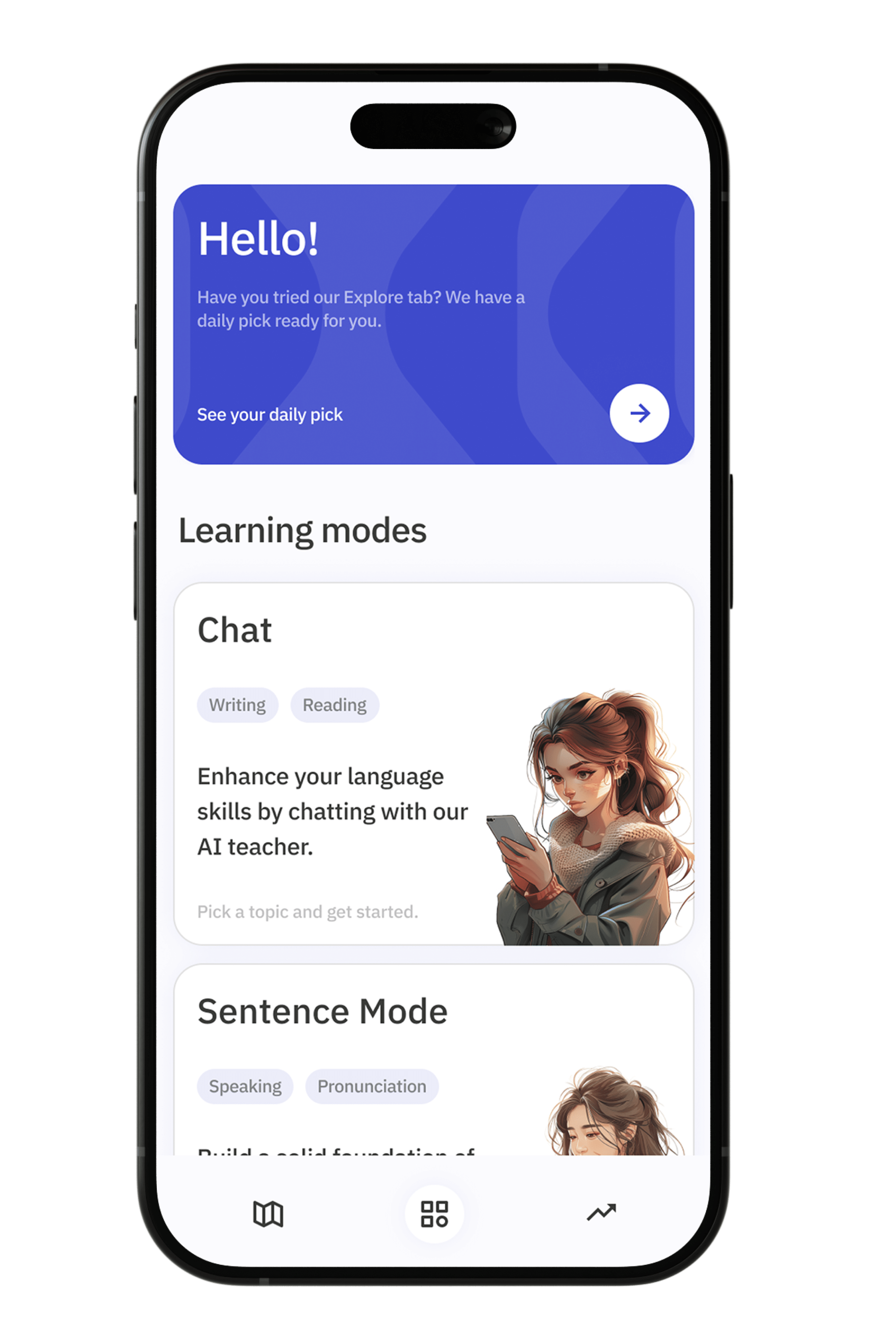
Talkpal is an AI-powered language teacher. Learn 57+ languages 5x faster with innovative technology.