
Pick a language and start learning!





Present Perfect vs. Present Perfect Continuous Exercises in English language

Mastering the nuances between the Present Perfect and the Present Perfect Continuous tenses is essential for conveying the right meaning in English. The Present Perfect tense is used to indicate actions that have been completed at some point in the past but are relevant to the present moment. For example, "She has finished her homework." This tense is perfect for emphasizing the result of an action and its impact on the current situation. On the other hand, the Present Perfect Continuous tense is employed to describe actions that started in the past and are still ongoing or have recently stopped, often highlighting the duration or ongoing nature of the activity. An example would be, "She has been studying for three hours." This distinction helps in painting a clearer picture of the timing and nature of actions.
Understanding when to use each tense can significantly improve your ability to communicate more effectively and accurately. This page offers a variety of grammar exercises designed to help you practice and internalize the differences between these two tenses. Whether you are describing personal experiences, ongoing projects, or recent activities, mastering these tenses will enable you to express yourself with greater precision and confidence. Dive into these exercises to enhance your grammatical skills and elevate your English proficiency.
Exercise 1
<p>1. She *has been working* on the project all morning (continuous action over time).</p>
<p>2. They *have traveled* to five different countries this year (completed actions).</p>
<p>3. He *has been studying* for his exams since last week (ongoing action).</p>
<p>4. I *have read* that book three times (repeated action).</p>
<p>5. We *have been living* in this house for ten years (continuous action over time).</p>
<p>6. My friend *has just finished* her homework (recent completion).</p>
<p>7. The kids *have been playing* outside for hours (ongoing action).</p>
<p>8. You *have already eaten* dinner, haven’t you? (completed action).</p>
<p>9. He *has been writing* his novel for months (continuous action over time).</p>
<p>10. She *has visited* Paris several times (repeated action).</p>
Exercise 2
<p>1. She *has lived* in Paris for five years. (to reside)</p>
<p>2. They *have been working* on the project all morning. (to be engaged in an activity)</p>
<p>3. He *has finished* his homework already. (to complete)</p>
<p>4. We *have been waiting* for the bus for over an hour. (to stay in expectation)</p>
<p>5. I *have read* three books this month. (to complete reading)</p>
<p>6. She *has been studying* for her exams all week. (to prepare academically)</p>
<p>7. They *have eaten* dinner already. (to consume food)</p>
<p>8. I *have been learning* Spanish for two years now. (to gain knowledge continuously)</p>
<p>9. He *has written* two emails this morning. (to compose)</p>
<p>10. We *have been jogging* in the park every evening. (to run at a steady pace)</p>
Exercise 3
<p>1. She *has been reading* that book for hours (activity duration).</p>
<p>2. They *have visited* Paris twice this year (completed action).</p>
<p>3. I *have been working* on this project since morning (ongoing activity).</p>
<p>4. He *has written* three emails today (number of completed actions).</p>
<p>5. We *have been talking* on the phone for an hour (continuous activity).</p>
<p>6. You *have cleaned* your room, haven't you? (result of an action).</p>
<p>7. She *has been exercising* every day this week (repeated activity over time).</p>
<p>8. The kids *have eaten* all the cookies (completed action with present relevance).</p>
<p>9. I *have been learning* Spanish for six months now (ongoing activity).</p>
<p>10. They *have painted* the house recently (completed action with present relevance).</p>
Enhance Your Language Skills with AI
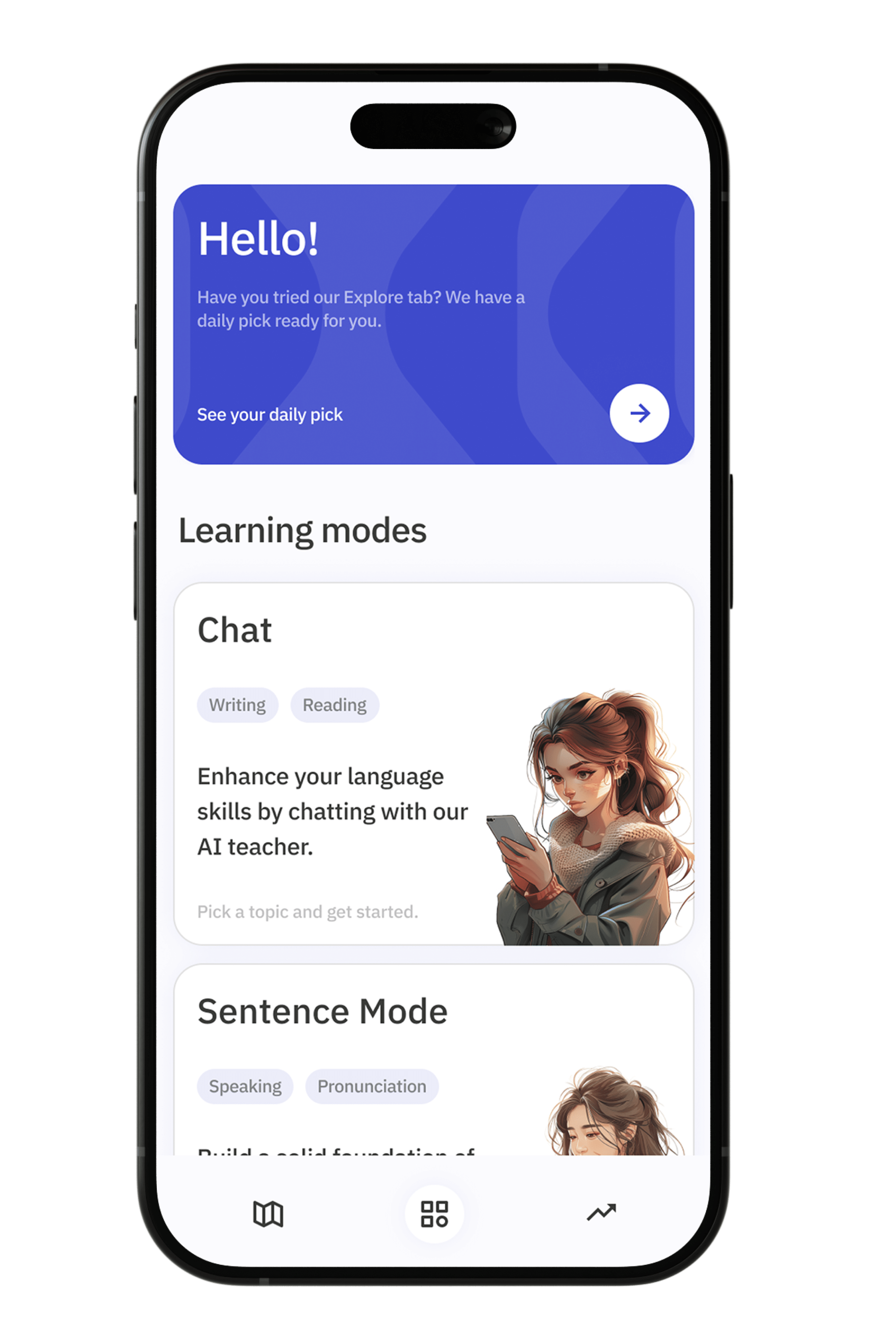
Talkpal is an AI-powered language teacher. Learn 57+ languages 5x faster with innovative technology.