
Pick a language and start learning!





Präteritum (Simple past) Exercises in German language

The Präteritum, or simple past tense, is an essential aspect of German grammar, especially for anyone looking to master the language's narrative forms. Unlike the Perfekt tense, which is often used in spoken German to describe past events, the Präteritum is primarily found in written contexts such as literature, reports, and historical accounts. Understanding and being able to use this tense correctly is crucial for anyone who aims to read German texts fluently or write in a more formal or literary style. Whether you are a beginner or an advanced learner, grasping the rules and nuances of the Präteritum will significantly enrich your German language skills.
In German, the Präteritum is typically formed by adding specific endings to the verb stem, with regular and irregular verbs following different patterns. Regular verbs tend to follow a more predictable conjugation pattern, while irregular verbs often require memorization due to their unique forms. This can be challenging, but with consistent practice, you can become proficient in recognizing and using both types. Our grammar exercises are designed to provide you with a comprehensive understanding of these patterns, offering a variety of sentences to practice conjugation, sentence structure, and context usage. Dive into these exercises to solidify your grasp of the Präteritum and enhance your overall proficiency in German.
Exercise 1
<p>1. Er *ging* zur Schule, obwohl es regnete (past tense of "to go").</p>
<p>2. Wir *fuhren* im Sommer nach Italien (past tense of "to drive").</p>
<p>3. Sie *spielte* jeden Tag Klavier, als sie jung war (past tense of "to play").</p>
<p>4. Ich *las* gestern ein interessantes Buch (past tense of "to read").</p>
<p>5. Ihr *kamt* immer zu spät zum Unterricht (past tense of "to come").</p>
<p>6. Er *schrieb* einen Brief an seine Eltern (past tense of "to write").</p>
<p>7. Wir *aßen* Pizza zum Abendessen (past tense of "to eat").</p>
<p>8. Du *sangst* sehr schön beim Konzert (past tense of "to sing").</p>
<p>9. Sie *blieb* bis Mitternacht auf der Party (past tense of "to stay").</p>
<p>10. Ich *trank* ein Glas Wasser nach dem Training (past tense of "to drink").</p>
Exercise 2
<p>1. Gestern *ging* ich ins Kino (verb for movement).</p>
<p>2. Er *spielte* Fußball mit seinen Freunden (verb for playing sports).</p>
<p>3. Wir *hatten* viel Spaß auf der Party (verb for possession).</p>
<p>4. Sie *schrieb* einen langen Brief an ihre Freundin (verb for writing).</p>
<p>5. Der Hund *biss* den Postboten (verb for biting).</p>
<p>6. Maria *kaufte* ein neues Kleid (verb for buying).</p>
<p>7. Die Kinder *sangen* ein Lied (verb for singing).</p>
<p>8. Der Lehrer *erklärte* die Hausaufgaben (verb for explaining).</p>
<p>9. Ich *las* ein spannendes Buch (verb for reading).</p>
<p>10. Sie *kochte* ein leckeres Abendessen (verb for cooking).</p>
Exercise 3
<p>1. Gestern *ging* ich zum Supermarkt (verb for movement).</p>
<p>2. Er *las* ein spannendes Buch am Wochenende (verb for reading).</p>
<p>3. Sie *schrieb* einen Brief an ihre Freundin (verb for writing).</p>
<p>4. Wir *spielten* Fußball im Park (verb for playing).</p>
<p>5. Ihr *saht* einen interessanten Film im Kino (verb for watching).</p>
<p>6. Der Hund *schlief* den ganzen Tag (verb for sleeping).</p>
<p>7. Die Schüler *lernten* fleißig für die Prüfung (verb for studying).</p>
<p>8. Er *trank* eine Tasse Kaffee am Morgen (verb for drinking).</p>
<p>9. Sie *kaufte* ein neues Kleid im Geschäft (verb for buying).</p>
<p>10. Wir *fuhren* mit dem Auto nach Berlin (verb for driving).</p>
Enhance Your Language Skills with AI
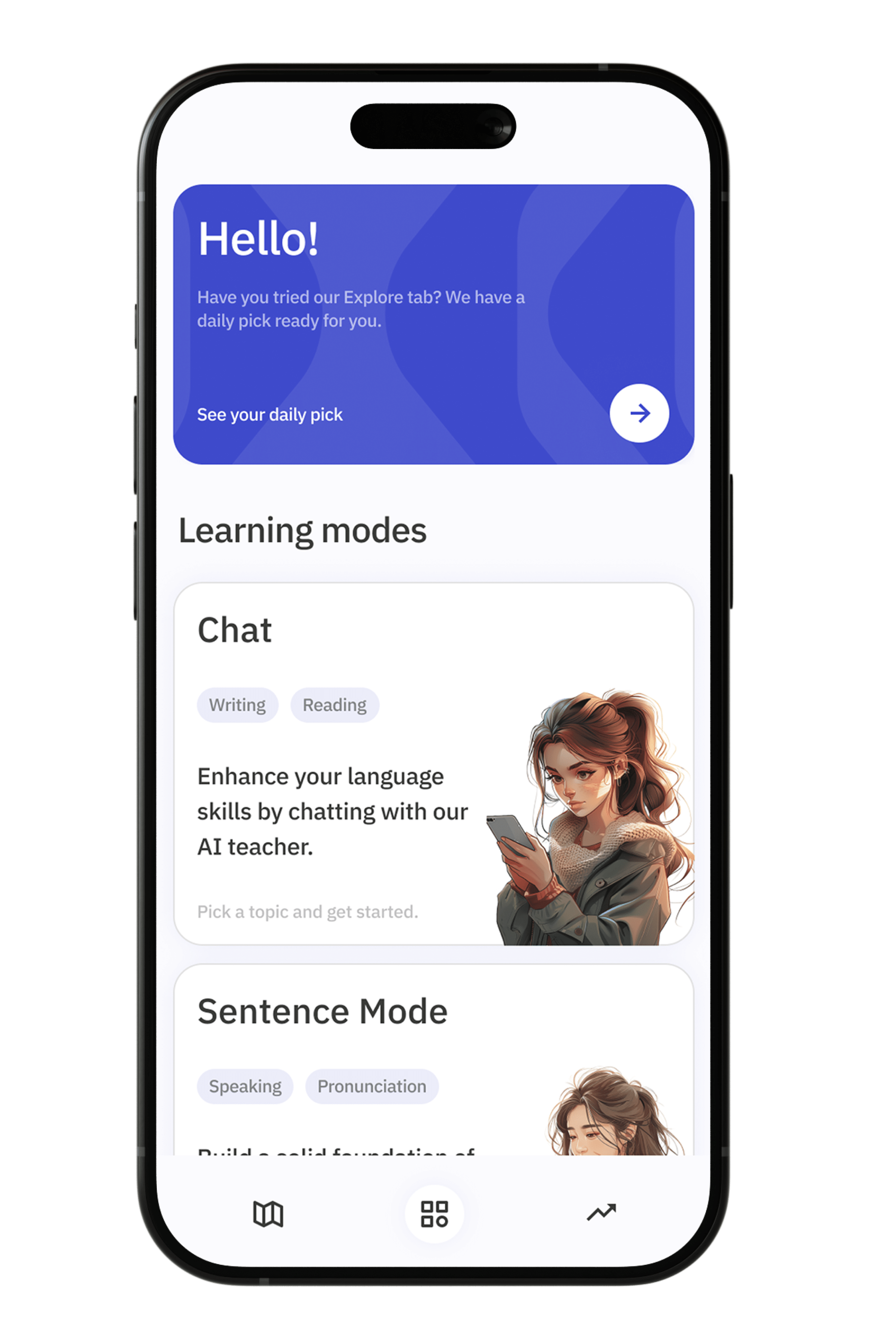
Talkpal is an AI-powered language teacher. Learn 57+ languages 5x faster with innovative technology.