
Pick a language and start learning!




Irregular verb “faire” Exercises in French language

Mastering French irregular verbs can be a challenging yet rewarding endeavor, and "faire" is one of the most essential among them. This versatile verb, which translates to "to do" or "to make" in English, is used in a myriad of expressions and contexts, making it indispensable for anyone aiming to achieve fluency in French. Unlike regular verbs, "faire" does not follow the predictable conjugation patterns, which can make it a bit tricky for learners. However, understanding its various forms and uses is crucial for effective communication.
In this section, we will delve into the intricacies of conjugating "faire" across different tenses and moods. From the present indicative to the more complex subjunctive and conditional forms, each exercise is designed to help you internalize these conjugations through practical application. Whether you are a beginner grappling with the basics or an advanced learner looking to refine your skills, these exercises will provide a comprehensive guide to mastering "faire" in all its forms. By the end of this section, you will be well-equipped to use "faire" confidently and accurately in your French conversations.
Exercise 1
<p>1. Il *fait* beau aujourd'hui (verb for describing the weather).</p>
<p>2. Nous *faisons* du sport tous les matins (verb for engaging in an activity).</p>
<p>3. Elle *fait* ses devoirs après l'école (verb for completing a task).</p>
<p>4. Ils *font* la cuisine ensemble le weekend (verb for preparing food).</p>
<p>5. Tu *fais* attention en classe (verb for paying attention).</p>
<p>6. Je *fais* mes courses le samedi (verb for shopping).</p>
<p>7. Vous *faites* du vélo dans le parc (verb for riding a bicycle).</p>
<p>8. On *fait* une fête ce soir (verb for organizing a party).</p>
<p>9. Elles *font* du bruit en jouant (verb for making noise).</p>
<p>10. Nous *faisons* une promenade après le dîner (verb for taking a walk).</p>
Exercise 2
<p>1. Il *fait* ses devoirs tous les soirs (verb for "to do" or "to make").</p>
<p>2. Nous *faisons* une promenade dans le parc tous les dimanches (verb for "to do" or "to make").</p>
<p>3. Elles *font* du vélo après l'école (verb for "to do" or "to make").</p>
<p>4. Tu *fais* souvent la cuisine ? (verb for "to do" or "to make").</p>
<p>5. Je *fais* du sport chaque matin (verb for "to do" or "to make").</p>
<p>6. Vous *faites* un gâteau pour l'anniversaire de Marie (verb for "to do" or "to make").</p>
<p>7. Ils *font* des progrès en français (verb for "to do" or "to make").</p>
<p>8. On *fait* une fête ce week-end (verb for "to do" or "to make").</p>
<p>9. Elle *fait* la lessive tous les samedis (verb for "to do" or "to make").</p>
<p>10. Nous *faisons* du camping chaque été (verb for "to do" or "to make").</p>
Exercise 3
<p>1. Nous *faisons* du sport tous les matins (verb for "to do" or "to make").</p>
<p>2. Elle *fait* ses devoirs après l'école (verb for "to do" or "to make").</p>
<p>3. Je *fais* la cuisine ce soir (verb for "to do" or "to make").</p>
<p>4. Ils *font* une promenade dans le parc (verb for "to do" or "to make").</p>
<p>5. Vous *faites* un gâteau pour l'anniversaire (verb for "to do" or "to make").</p>
<p>6. Il *fait* froid aujourd'hui (verb for "to do" or "to make").</p>
<p>7. Nous *faisons* du vélo le week-end (verb for "to do" or "to make").</p>
<p>8. Tu *fais* souvent des voyages ? (verb for "to do" or "to make").</p>
<p>9. Elles *font* du shopping chaque samedi (verb for "to do" or "to make").</p>
<p>10. Je *fais* une sieste après le déjeuner (verb for "to do" or "to make").</p>
Enhance Your Language Skills with AI
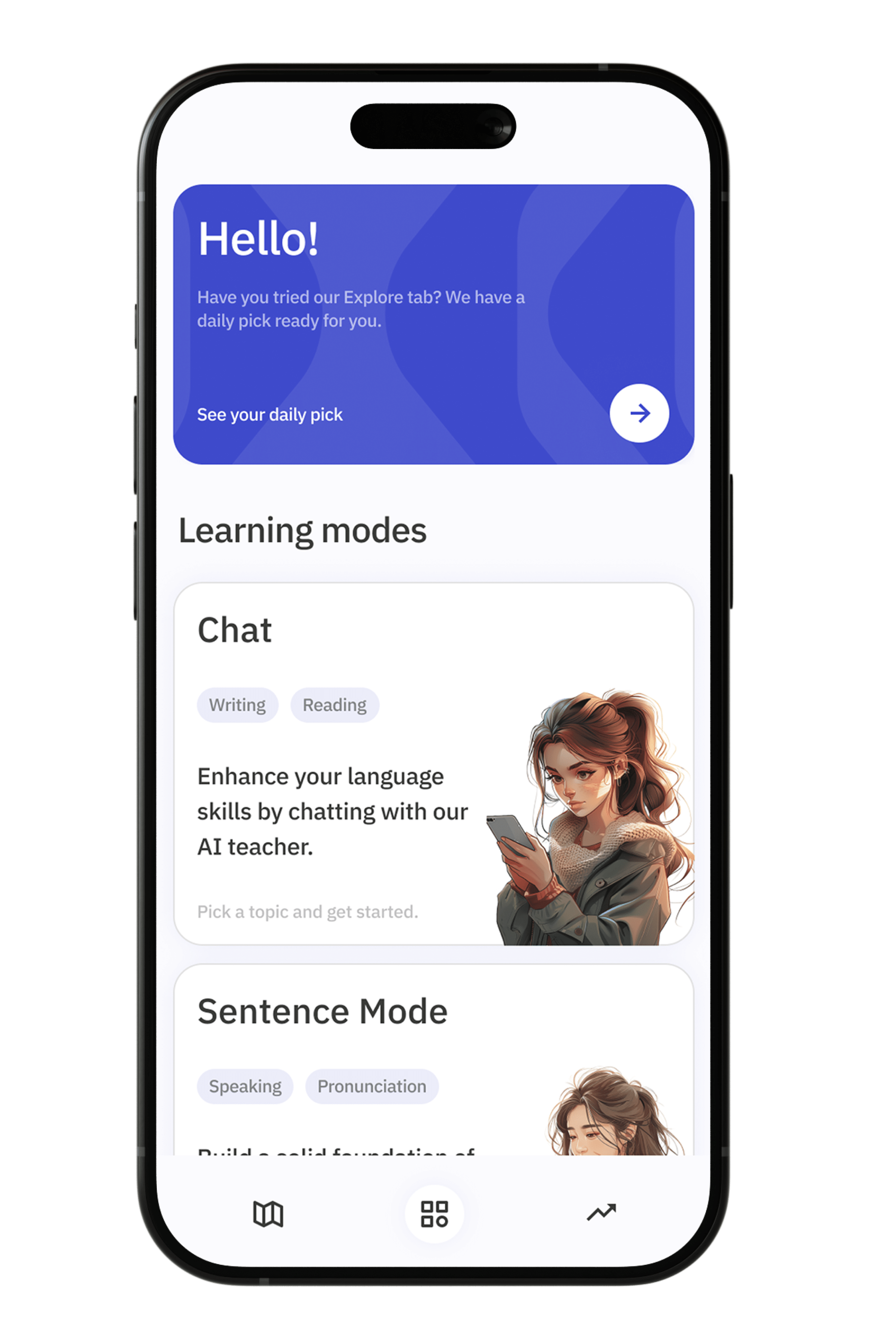
Talkpal is an AI-powered language teacher. Learn 57+ languages 5x faster with innovative technology.