
Pick a language and start learning!





Indirect object pronouns and word order Exercises in Portuguese language

Indirect object pronouns are crucial for achieving fluency in Portuguese, as they allow speakers to convey more nuanced and efficient communication. These pronouns replace the indirect object in a sentence, typically answering the questions "to whom?" or "for whom?" something is done. Understanding and mastering their use is vital for anyone looking to engage in more complex conversations in Portuguese. This exercise page will guide you through various scenarios and sentence structures, helping you to seamlessly incorporate indirect object pronouns into your everyday speech.
In addition to learning the pronouns themselves, it's essential to grasp the correct word order in sentences. Portuguese, much like other Romance languages, has specific rules about where indirect object pronouns should be placed. These rules can vary depending on whether the verb is in the infinitive, imperative, or conjugated form. Through a series of structured exercises, you'll practice placing these pronouns correctly, ensuring that your sentences are both grammatically correct and natural-sounding. Dive into these exercises to refine your understanding and become more confident in your Portuguese language skills.
Exercise 1
<p>1. Ele *lhe* deu um presente (indirect object pronoun for "him/her").</p>
<p>2. Nós *lhes* contaremos a novidade amanhã (indirect object pronoun for "them").</p>
<p>3. Ela *me* enviou uma carta ontem (indirect object pronoun for "me").</p>
<p>4. Vou *te* mostrar o caminho (indirect object pronoun for "you" informal).</p>
<p>5. Eles *nos* trouxeram flores (indirect object pronoun for "us").</p>
<p>6. Eu *lhe* pedi ajuda com a tarefa (indirect object pronoun for "him/her").</p>
<p>7. Ele *me* disse que viria mais tarde (indirect object pronoun for "me").</p>
<p>8. Eu *vos* darei uma resposta em breve (indirect object pronoun for "you all" formal). </p>
<p>9. Nós *lhe* enviamos um e-mail (indirect object pronoun for "him/her").</p>
<p>10. Ela *te* recomendou aquele livro (indirect object pronoun for "you" informal).</p>
Exercise 2
<p>1. Ela *lhe* deu um presente (pronoun for 'to him/her').</p>
<p>2. Nós *te* enviamos uma carta (pronoun for 'to you', informal). </p>
<p>3. Eles *nos* trouxeram flores (pronoun for 'to us').</p>
<p>4. Você *me* contou uma história incrível (pronoun for 'to me').</p>
<p>5. Eu *lhes* ofereci ajuda (pronoun for 'to them').</p>
<p>6. Ela *te* perguntou algo importante (pronoun for 'to you', informal). </p>
<p>7. Nós *lhe* mostramos o caminho (pronoun for 'to him/her').</p>
<p>8. Ele *me* deu conselhos valiosos (pronoun for 'to me').</p>
<p>9. Vocês *nos* convidaram para a festa (pronoun for 'to us').</p>
<p>10. Eles *te* enviaram uma mensagem (pronoun for 'to you', informal).</p>
Exercise 3
<p>1. Vou *te* dar um presente (pronoun for "you").</p>
<p>2. Ele sempre *lhe* envia cartas (pronoun for "him/her/you" formal).</p>
<p>3. Eles *nos* contaram a história toda (pronoun for "us").</p>
<p>4. Maria vai *me* mostrar o caminho (pronoun for "me").</p>
<p>5. Os professores *lhes* explicaram a lição (pronoun for "them" or "you all" formal).</p>
<p>6. Ela *te* trouxe um café (pronoun for "you" informal).</p>
<p>7. Vamos *lhe* dar um presente de aniversário (pronoun for "him/her/you" formal).</p>
<p>8. O chefe *me* ofereceu um aumento (pronoun for "me").</p>
<p>9. Os pais *nos* deram conselhos valiosos (pronoun for "us").</p>
<p>10. Vou *lhe* contar um segredo (pronoun for "him/her/you" formal).</p>
Enhance Your Language Skills with AI
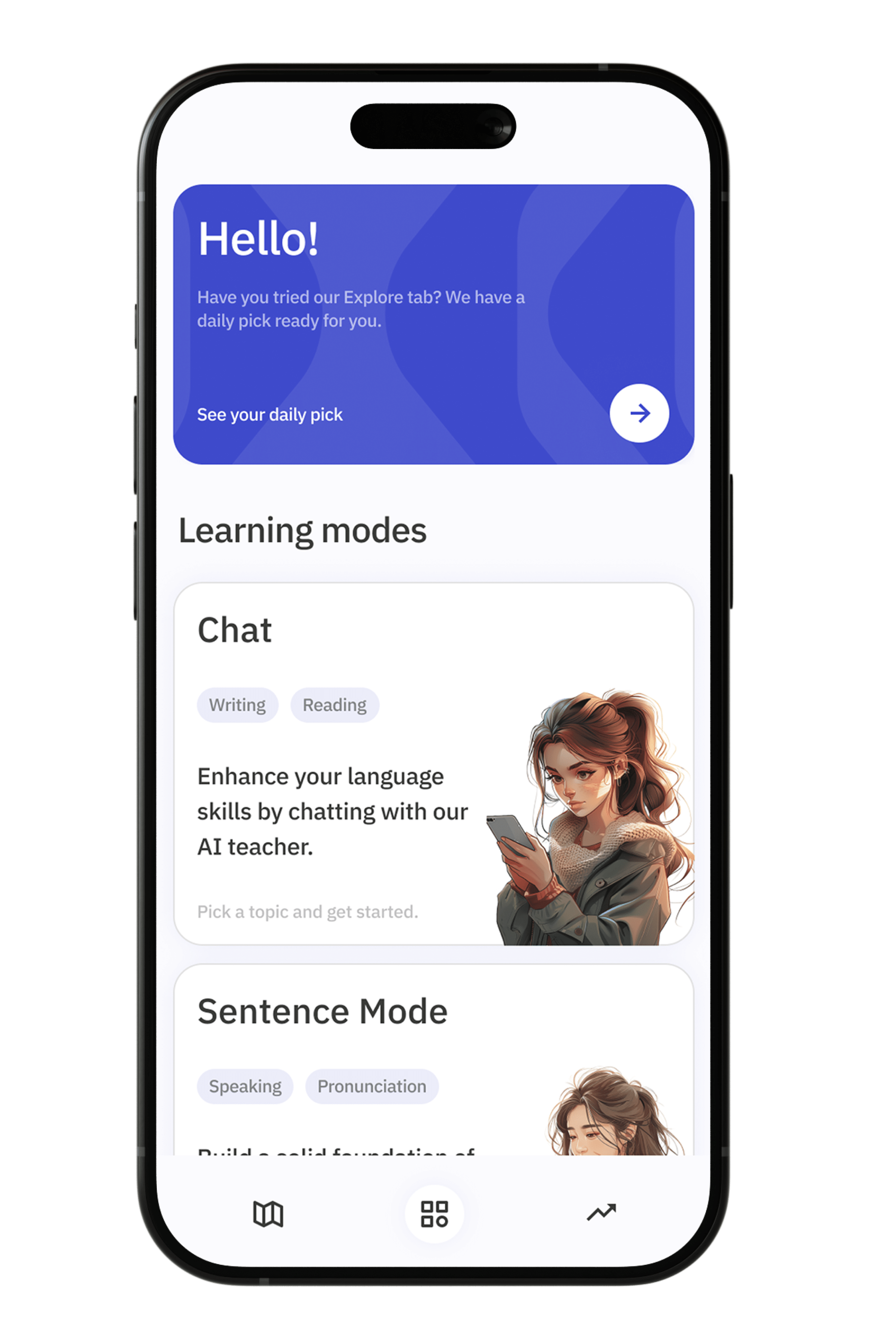
Talkpal is an AI-powered language teacher. Learn 57+ languages 5x faster with innovative technology.