
Pick a language and start learning!





Indefinite article usage Exercises in German language

Mastering the use of the indefinite articles "ein" and "eine" is crucial for German language learners, as these small words can significantly impact the meaning of a sentence. In German, the indefinite article changes not only based on the gender of the noun it accompanies but also according to the case in which the noun appears (nominative, accusative, dative, or genitive). For instance, "ein" is used with masculine and neuter nouns in the nominative and accusative cases, while "eine" is used with feminine nouns in the same cases. Understanding these nuances is essential for constructing grammatically correct and meaningful sentences.
In addition to gender and case, the role of indefinite articles extends to their interaction with plural nouns and adjectives, further complicating their usage. Unlike English, where "a" and "an" are used uniformly, German requires a deeper comprehension of grammatical rules to apply "ein" and "eine" correctly. This set of grammar exercises is designed to help you practice and internalize these rules through various examples and contexts, enabling you to use indefinite articles confidently and accurately in your spoken and written German.
Exercise 1
<p>1. Ich habe *einen* Hund (male pet).</p>
<p>2. Wir brauchen *eine* Lampe (object that provides light).</p>
<p>3. Er hat *ein* Buch gelesen (object you read).</p>
<p>4. Sie möchte *einen* Apfel essen (type of fruit).</p>
<p>5. Wir suchen *eine* Wohnung (place to live).</p>
<p>6. Er hat *einen* Stift gekauft (tool for writing).</p>
<p>7. Sie hat *ein* Auto (vehicle).</p>
<p>8. Ich habe *eine* Schwester (female sibling).</p>
<p>9. Er trinkt *einen* Kaffee (type of drink).</p>
<p>10. Ich sehe *ein* Haus (building for living).</p>
Exercise 2
<p>1. Ich habe *einen* Hund gekauft (indefinite article for masculine noun).</p>
<p>2. Sie braucht *eine* neue Tasche (indefinite article for feminine noun).</p>
<p>3. Wir haben *ein* Haus am See (indefinite article for neuter noun).</p>
<p>4. Kannst du mir *einen* Bleistift leihen? (indefinite article for masculine noun).</p>
<p>5. Er möchte *eine* Tasse Kaffee (indefinite article for feminine noun).</p>
<p>6. Sie haben *ein* interessantes Buch gelesen (indefinite article for neuter noun).</p>
<p>7. Er hat *einen* Apfel gegessen (indefinite article for masculine noun).</p>
<p>8. Sie trägt *eine* schöne Bluse (indefinite article for feminine noun).</p>
<p>9. Wir haben *ein* neues Auto gekauft (indefinite article for neuter noun).</p>
<p>10. Sie braucht *einen* neuen Laptop (indefinite article for masculine noun).</p>
Exercise 3
<p>1. Ich habe *einen* Hund gekauft (masculine, singular).</p>
<p>2. Sie hat *eine* Katze gefunden (feminine, singular).</p>
<p>3. Wir brauchen *ein* neues Auto (neuter, singular).</p>
<p>4. Er trinkt *einen* Kaffee (masculine, singular).</p>
<p>5. Sie liest *ein* Buch (neuter, singular).</p>
<p>6. Ich möchte *eine* Blume kaufen (feminine, singular).</p>
<p>7. Er hat *einen* Bleistift in der Hand (masculine, singular).</p>
<p>8. Wir sehen *ein* Flugzeug am Himmel (neuter, singular).</p>
<p>9. Sie trägt *eine* Jacke (feminine, singular).</p>
<p>10. Er isst *einen* Apfel (masculine, singular).</p>
Enhance Your Language Skills with AI
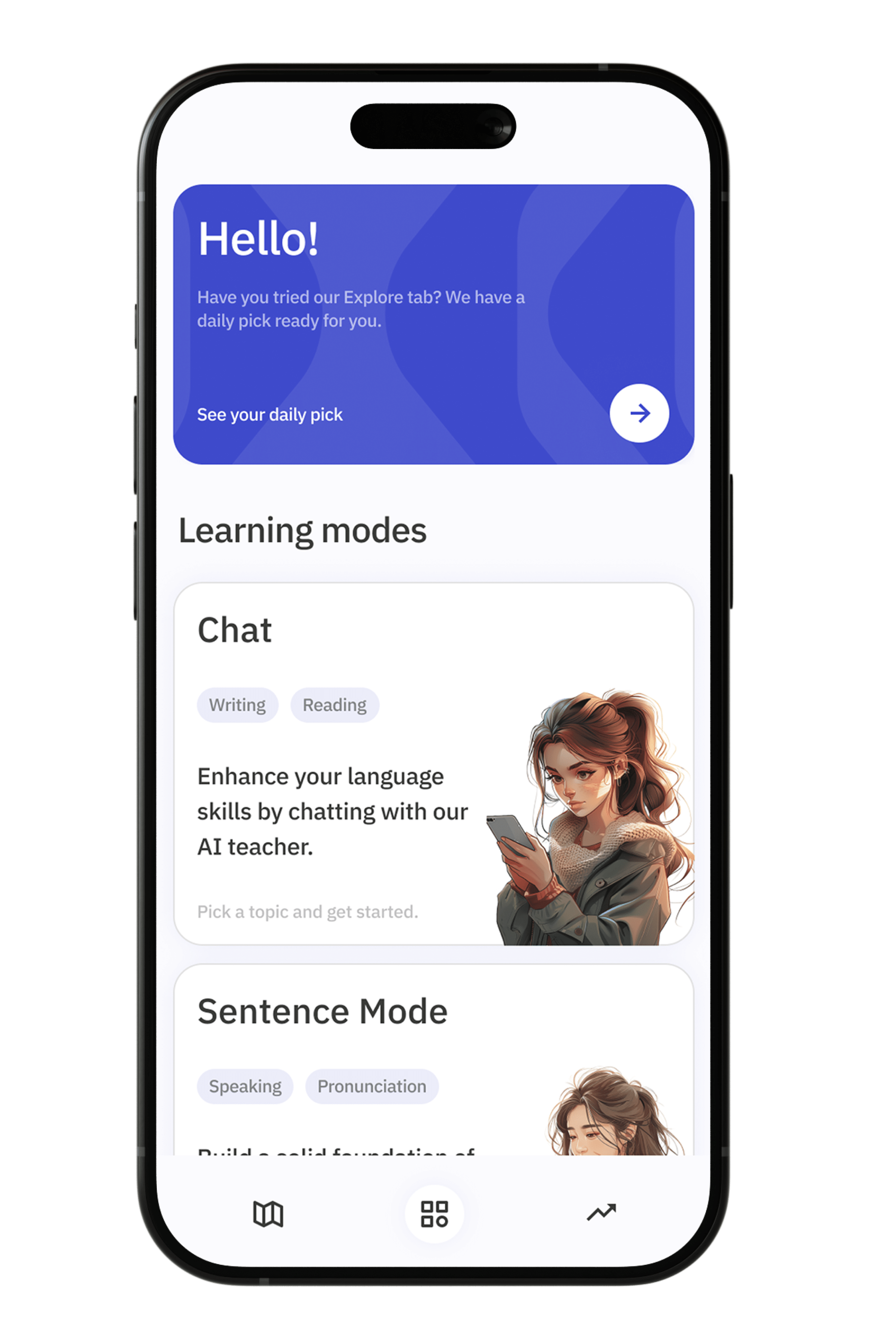
Talkpal is an AI-powered language teacher. Learn 57+ languages 5x faster with innovative technology.