
Pick a language and start learning!





Imperative form Exercises in German language

The imperative form in German is a crucial aspect of the language, enabling speakers to give commands, make requests, and offer advice directly. Understanding how to construct and use the imperative can significantly enhance your communication skills, particularly in everyday interactions where clarity and directness are key. Unlike in English, where the subject "you" is often implied, German imperatives vary depending on the formality of the situation and the number of people being addressed. Mastering these nuances is essential for effective and culturally appropriate exchanges.
In German, the imperative form changes based on whether you are speaking to one person informally (du), one person formally (Sie), or a group of people (ihr). Additionally, reflexive verbs and separable-prefix verbs introduce further complexity, requiring special attention. Our exercises will guide you through these variations, offering practice scenarios that reflect real-life situations. By working through these exercises, you will gain confidence in issuing commands and making polite requests, enhancing both your spoken and written German. Dive in to refine your skills and achieve greater fluency in this vital aspect of the German language.
Exercise 1
<p>1. *Komm* bitte hierher! (verb for asking someone to come).</p>
<p>2. *Hör* gut zu! (verb for listening).</p>
<p>3. *Gib* mir das Buch! (verb for giving).</p>
<p>4. *Lies* das Buch laut vor! (verb for reading).</p>
<p>5. *Schreib* deinen Namen hier! (verb for writing).</p>
<p>6. *Steh* auf! (verb for standing).</p>
<p>7. *Mach* das Fenster auf! (verb for opening).</p>
<p>8. *Sei* ruhig! (verb for being).</p>
<p>9. *Iss* dein Gemüse! (verb for eating).</p>
<p>10. *Ruf* mich an! (verb for calling).</p>
Exercise 2
<p>1. *Geh* zum Supermarkt und kauf Milch (verb for movement).</p>
<p>2. *Hör* auf zu sprechen, der Lehrer erklärt etwas Wichtiges (verb for listening).</p>
<p>3. *Sei* bitte pünktlich morgen früh (verb for being).</p>
<p>4. *Iss* dein Gemüse, es ist gut für dich (verb for eating).</p>
<p>5. *Mach* deine Hausaufgaben vor dem Abendessen (verb for doing).</p>
<p>6. *Nimm* das Buch aus dem Regal (verb for taking).</p>
<p>7. *Lies* das Kapitel bis morgen (verb for reading).</p>
<p>8. *Schreib* deinen Namen auf das Papier (verb for writing).</p>
<p>9. *Steh* auf und öffne das Fenster (verb for standing).</p>
<p>10. *Ruf* mich später an, ich habe Neuigkeiten (verb for calling).</p>
Exercise 3
<p>1. *Geh* nach Hause! (verb for going)</p>
<p>2. *Iss* dein Gemüse! (verb for eating)</p>
<p>3. *Schreib* deinen Namen! (verb for writing)</p>
<p>4. *Sprich* lauter! (verb for speaking)</p>
<p>5. *Hör* auf zu schreien! (verb for stopping)</p>
<p>6. *Komm* sofort hierher! (verb for coming)</p>
<p>7. *Lies* das Buch! (verb for reading)</p>
<p>8. *Mach* deine Hausaufgaben! (verb for doing)</p>
<p>9. *Trink* dein Wasser! (verb for drinking)</p>
<p>10. *Lauf* schneller! (verb for running)</p>
Enhance Your Language Skills with AI
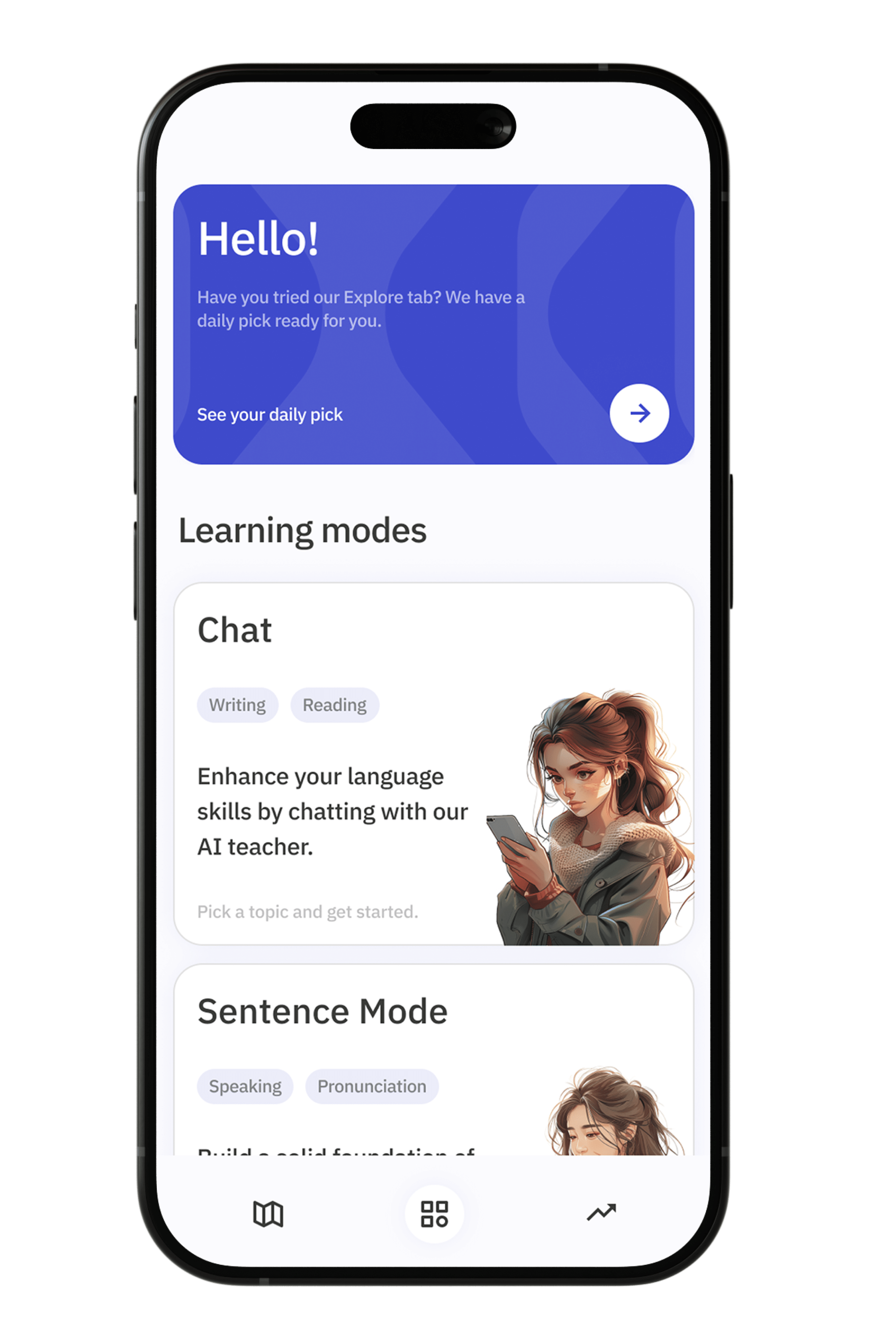
Talkpal is an AI-powered language teacher. Learn 57+ languages 5x faster with innovative technology.