
Pick a language and start learning!





Future tense in Tagalog verbs Exercises in Tagalog language

Learning the future tense in Tagalog is an exciting step in mastering the language, as it opens up the ability to discuss plans, predictions, and intentions. In Tagalog, verbs are conjugated to indicate the time frame of the action, and the future tense is no exception. By understanding the patterns and structure of future tense verbs, you will be able to construct sentences that articulate what will happen, thus adding depth and precision to your conversations. Whether you're making travel plans, talking about your goals, or simply describing what you'll do next weekend, mastering the future tense is essential.
Tagalog verbs in the future tense typically involve the use of affixes that modify the root word to indicate an action that is yet to occur. The most common affixes used are "mag-", "um-", and "i-", and they attach to the root form of the verb. For instance, the root word "basa" (to read) becomes "magbabasa" to indicate "will read." Additionally, understanding the context in which these verbs are used and practicing their conjugations will help you become more fluent and confident in your Tagalog-speaking abilities. Through the exercises provided, you will gain hands-on experience in forming and using the future tense, ultimately making your communication in Tagalog more effective and natural.
Exercise 1
<p>1. Mag-*aaral* ako bukas para sa pagsusulit (verb for studying).</p>
<p>2. Mag-*luluto* si Nanay ng adobo mamaya (verb for cooking).</p>
<p>3. Si Lito ay mag-*lalaro* ng basketball sa Sabado (verb for playing).</p>
<p>4. Mag-*tatrabaho* siya sa bagong opisina simula Lunes (verb for working).</p>
<p>5. Mag-*lalakbay* kami sa Baguio sa susunod na buwan (verb for traveling).</p>
<p>6. Mag-*hahanda* sila ng pagkain para sa party bukas (verb for preparing).</p>
<p>7. Mag-*aaral* sina Ana at Ben ng Tagalog sa Linggo (verb for studying).</p>
<p>8. Mag-*iipon* ako ng pera para sa bakasyon (verb for saving).</p>
<p>9. Mag-*lilinis* kami ng bahay sa Sabado ng umaga (verb for cleaning).</p>
<p>10. Mag-*babasa* si Maria ng libro mamayang gabi (verb for reading).</p>
Exercise 2
<p>1. Si Maria ay *mag-aaral* sa unibersidad bukas (verb for studying).</p>
<p>2. Kami ay *maglalaro* ng basketball sa Sabado (verb for playing).</p>
<p>3. Ako ay *magluluto* ng hapunan mamaya (verb for cooking).</p>
<p>4. Si Juan ay *magiging* doktor balang araw (verb for becoming).</p>
<p>5. Sila ay *maglalakbay* papuntang Baguio sa susunod na linggo (verb for traveling).</p>
<p>6. Mag *bibili* kami ng bagong kotse sa darating na buwan (verb for buying).</p>
<p>7. Si Lola ay *magpapahinga* sa bahay mamaya (verb for resting).</p>
<p>8. Si Ana ay *magpapadala* ng mensahe kay Pedro bukas (verb for sending).</p>
<p>9. Tayo ay *mag-aalaga* ng mga halaman sa Linggo (verb for taking care).</p>
<p>10. Ako ay *mag-aaral* ng Tagalog sa susunod na taon (verb for studying).</p>
Exercise 3
<p>1. Si Ana ay *magluluto* ng hapunan mamaya (verb for cooking).</p>
<p>2. Sila ay *maglalaro* ng basketball bukas (verb for playing).</p>
<p>3. Ako ay *magsusulat* ng liham sa aking kaibigan (verb for writing).</p>
<p>4. Kami ay *maglilinis* ng bahay ngayong linggo (verb for cleaning).</p>
<p>5. Si Juan ay *mag-aaral* para sa kanyang pagsusulit (verb for studying).</p>
<p>6. Tayo ay *maglilibang* sa parke mamaya (verb for having fun).</p>
<p>7. Ang mga bata ay *magkakamping* sa bundok sa susunod na buwan (verb for camping).</p>
<p>8. Ikaw ay *magtatrabaho* sa opisina bukas (verb for working).</p>
<p>9. Ang pamilya namin ay *magbabakasyon* sa Boracay sa tag-init (verb for vacationing).</p>
<p>10. Si Liza ay *mamimili* ng damit sa mall mamaya (verb for shopping).</p>
Enhance Your Language Skills with AI
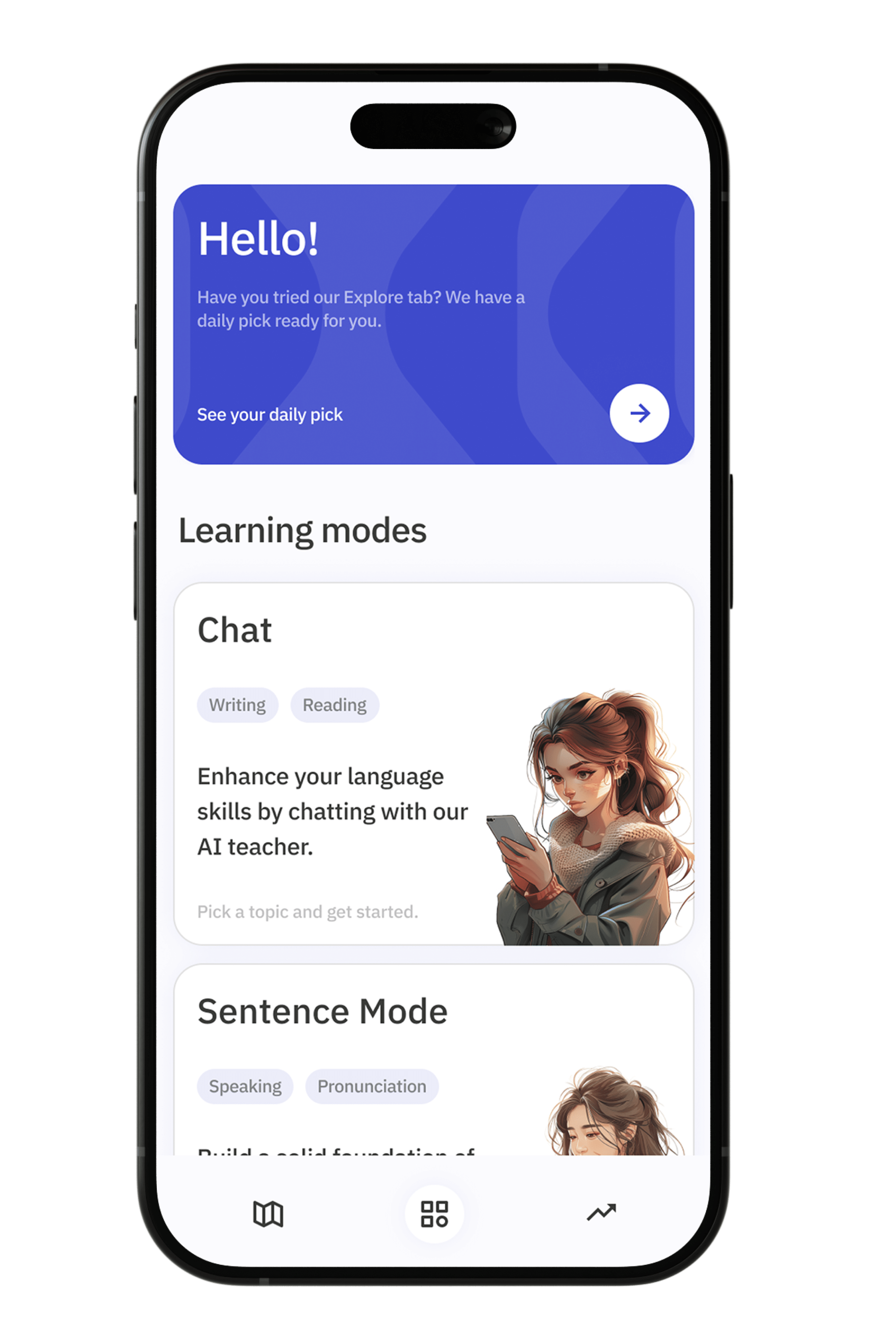
Talkpal is an AI-powered language teacher. Learn 57+ languages 5x faster with innovative technology.