
Pick a language and start learning!





Demonstrative pronouns Exercises in German language

Understanding demonstrative pronouns in German is crucial for mastering the language, as they help to specify and emphasize particular nouns in both spoken and written communication. These pronouns, which include "dieser" (this), "jener" (that), and their various forms, allow speakers to point out or highlight specific objects, people, or concepts. By learning how to use demonstrative pronouns correctly, you will be able to convey your thoughts more clearly and avoid ambiguity in your conversations and written texts.
In this section, you will find a variety of exercises designed to reinforce your understanding and usage of German demonstrative pronouns. These activities will guide you through identifying the correct form, practicing proper placement within sentences, and distinguishing between similar pronouns. Whether you are a beginner looking to build a strong foundation or an advanced learner aiming to refine your skills, these exercises will help you become more confident and precise in your use of demonstrative pronouns in German.
Exercise 1
<p>1. *Dieses* Buch gehört mir (This book).</p>
<p>2. *Diesen* Mann kenne ich nicht (This man, accusative case).</p>
<p>3. *Jener* Hund ist sehr laut (That dog).</p>
<p>4. *Diese* Katze schläft immer auf dem Sofa (This cat).</p>
<p>5. *Jenes* Auto ist sehr schnell (That car).</p>
<p>6. *Diesen* Film habe ich schon gesehen (This film, accusative case).</p>
<p>7. *Diese* Blumen sind wunderschön (These flowers).</p>
<p>8. *Jenes* Gebäude ist sehr alt (That building).</p>
<p>9. *Diesen* Apfel möchte ich kaufen (This apple, accusative case).</p>
<p>10. *Jenes* Kleid ist teurer (That dress).</p>
Exercise 2
<p>1. *Diese* Blume ist wunderschön (which flower? this one).</p>
<p>2. *Jenes* Buch gehört mir (which book? that one over there).</p>
<p>3. *Diese* Schuhe sind bequem (which shoes? these ones here).</p>
<p>4. *Jene* Stadt ist sehr alt (which city? that one in the distance).</p>
<p>5. *Dieser* Mann ist mein Lehrer (which man? this one here).</p>
<p>6. *Diese* Katze ist sehr freundlich (which cat? this one right here).</p>
<p>7. *Jenes* Auto ist teuer (which car? that one over there).</p>
<p>8. *Dieses* Haus ist sehr groß (which house? this one here).</p>
<p>9. *Jene* Frau ist meine Tante (which woman? that one over there).</p>
<p>10. *Diese* Kinder spielen im Park (which children? these ones here).
Exercise 3
<p>1. *Diese* Katze ist sehr süß (Demonstrative pronoun for 'this' in feminine form).</p>
<p>2. Ich kann *jenes* Buch nicht finden (Demonstrative pronoun for 'that' in neutral form).</p>
<p>3. *Dieser* Hund gehört meinem Nachbarn (Demonstrative pronoun for 'this' in masculine form).</p>
<p>4. Wir sollten *jene* Filme heute Abend schauen (Demonstrative pronoun for 'those' in plural form).</p>
<p>5. *Dieses* Auto ist sehr teuer (Demonstrative pronoun for 'this' in neutral form).</p>
<p>6. *Diese* Blumen sind wunderschön (Demonstrative pronoun for 'these' in plural form).</p>
<p>7. Ich kenne *diesen* Mann nicht (Demonstrative pronoun for 'this' in accusative, masculine form).</p>
<p>8. *Jene* Häuser dort sind alt (Demonstrative pronoun for 'those' in plural form).</p>
<p>9. *Jener* Baum ist sehr groß (Demonstrative pronoun for 'that' in masculine form).</p>
<p>10. *Dieses* Kleid gefällt mir (Demonstrative pronoun for 'this' in neutral form).</p>
Enhance Your Language Skills with AI
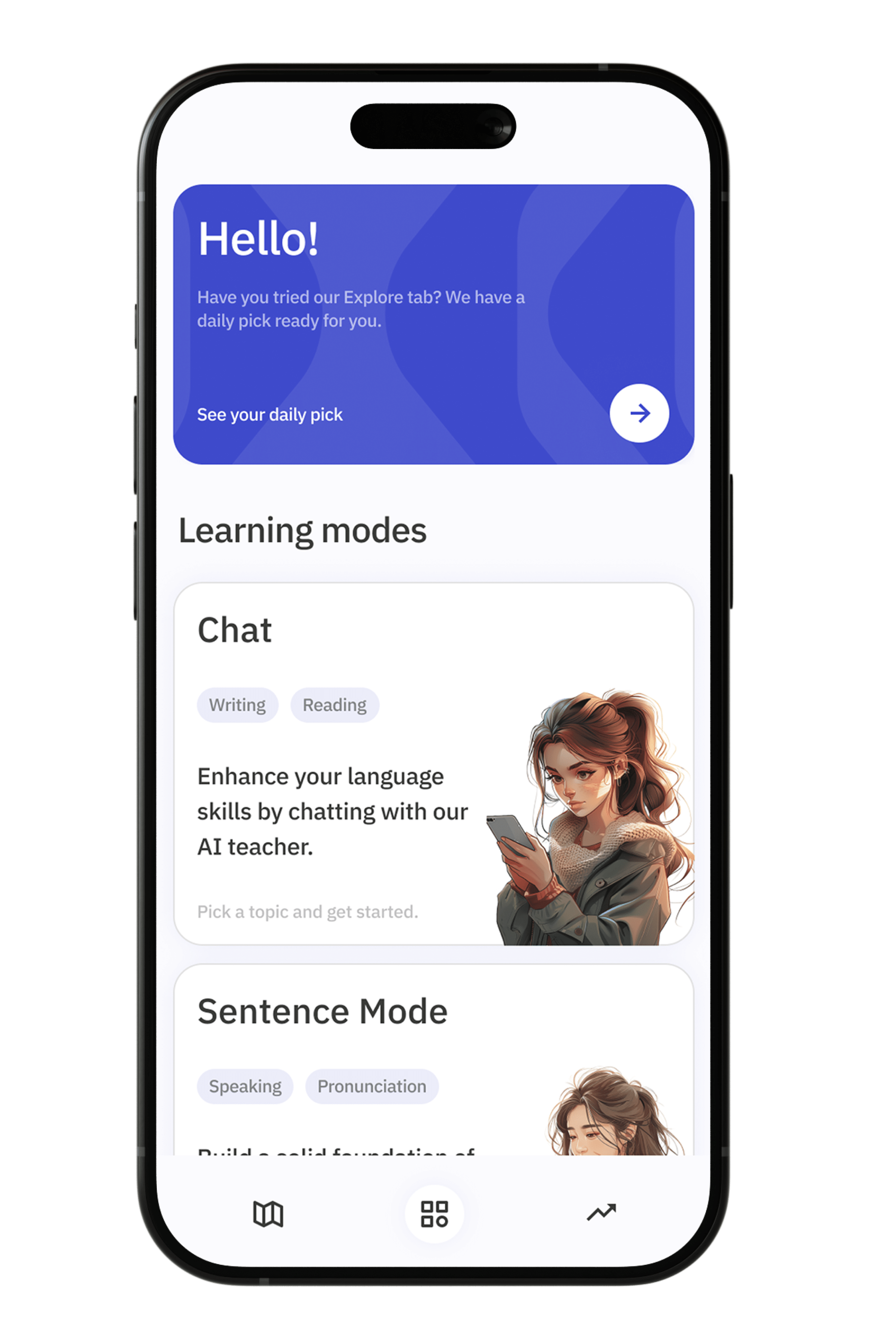
Talkpal is an AI-powered language teacher. Learn 57+ languages 5x faster with innovative technology.