
Pick a language and start learning!





Demonstrative pronouns Exercises in French language

Mastering demonstrative pronouns is essential for achieving fluency in French, as they allow you to point out specific items or people with precision and clarity. These pronouns, which include "ce," "cet," "cette," and "ces," are used to indicate whether a noun is near or far, singular or plural, and masculine or feminine. By learning to use these pronouns correctly, you can make your sentences more descriptive and dynamic, adding nuance to your communication.
In these exercises, you will practice identifying and using the correct demonstrative pronouns in various contexts. Whether you are distinguishing between "ce livre" (this book) and "ces livres" (these books), or choosing the appropriate form for masculine and feminine nouns, these activities are designed to reinforce your understanding and boost your confidence. Through repetition and practical application, you'll become adept at selecting the right pronoun, enhancing both your written and spoken French.
Exercise 1
<p>1. *Celui* qui a volé le pain sera puni (the one who).</p>
<p>2. Je préfère *celle*-ci à celle-là (demonstrative pronoun for feminine singular).</p>
<p>3. *Ceux* qui veulent participer doivent s'inscrire avant vendredi (those who).</p>
<p>4. *Celles* que tu vois là-bas sont mes amies (demonstrative pronoun for feminine plural).</p>
<p>5. *Ceux* que tu as invités sont très gentils (demonstrative pronoun for masculine plural).</p>
<p>6. *Celui*-ci est plus grand que celui-là (demonstrative pronoun for masculine singular).</p>
<p>7. *Ceux* qui travaillent dur réussissent (those who).</p>
<p>8. *Celle*-ci est ma préférée parmi toutes (demonstrative pronoun for feminine singular).</p>
<p>9. *Celui*-là est vraiment impressionnant (demonstrative pronoun for masculine singular).</p>
<p>10. *Celles*-ci sont plus jolies que celles-là (demonstrative pronoun for feminine plural).</p>
Exercise 2
<p>1. *Celui* qui parle est mon frère (demonstrative pronoun for "the one who").</p>
<p>2. *Celle* qui chante est ma sœur (demonstrative pronoun for "the one who" feminine).</p>
<p>3. *Ceux* qui arrivent sont mes amis (demonstrative pronoun for "the ones who" masculine plural).</p>
<p>4. *Celles* qui dansent sont mes cousines (demonstrative pronoun for "the ones who" feminine plural).</p>
<p>5. *Celui-ci* est mon livre préféré (demonstrative pronoun for "this one" masculine).</p>
<p>6. *Celle-là* est ma voiture (demonstrative pronoun for "that one" feminine).</p>
<p>7. *Ceux-ci* sont mes enfants (demonstrative pronoun for "these ones" masculine plural).</p>
<p>8. *Celles-là* sont mes amies d'enfance (demonstrative pronoun for "those ones" feminine plural).</p>
<p>9. *Ceux-là* sont mes voisins (demonstrative pronoun for "those ones" masculine plural).</p>
<p>10. *Celle-ci* est ma maison (demonstrative pronoun for "this one" feminine).</p>
Exercise 3
<p>1. *Celui-ci* est mon préféré (this one, masc.).</p>
<p>2. *Celle-là* appartient à ma sœur (that one, fem.).</p>
<p>3. *Ceux-ci* sont plus chers que ceux-là (these ones, masc. plural).</p>
<p>4. *Celles-ci* sont les plus belles fleurs du jardin (these ones, fem. plural).</p>
<p>5. Je préfère *celle-ci* à celle-là (this one, fem.).</p>
<p>6. *Celui-là* est le plus rapide de tous (that one, masc.).</p>
<p>7. *Ceux-là* sont à vendre (those ones, masc. plural).</p>
<p>8. *Celles-là* sont mes chaussures (those ones, fem. plural).</p>
<p>9. J'ai acheté *ceux-ci* hier (these ones, masc. plural).</p>
<p>10. *Celui-ci* est plus confortable que l'autre (this one, masc.).</p>
Enhance Your Language Skills with AI
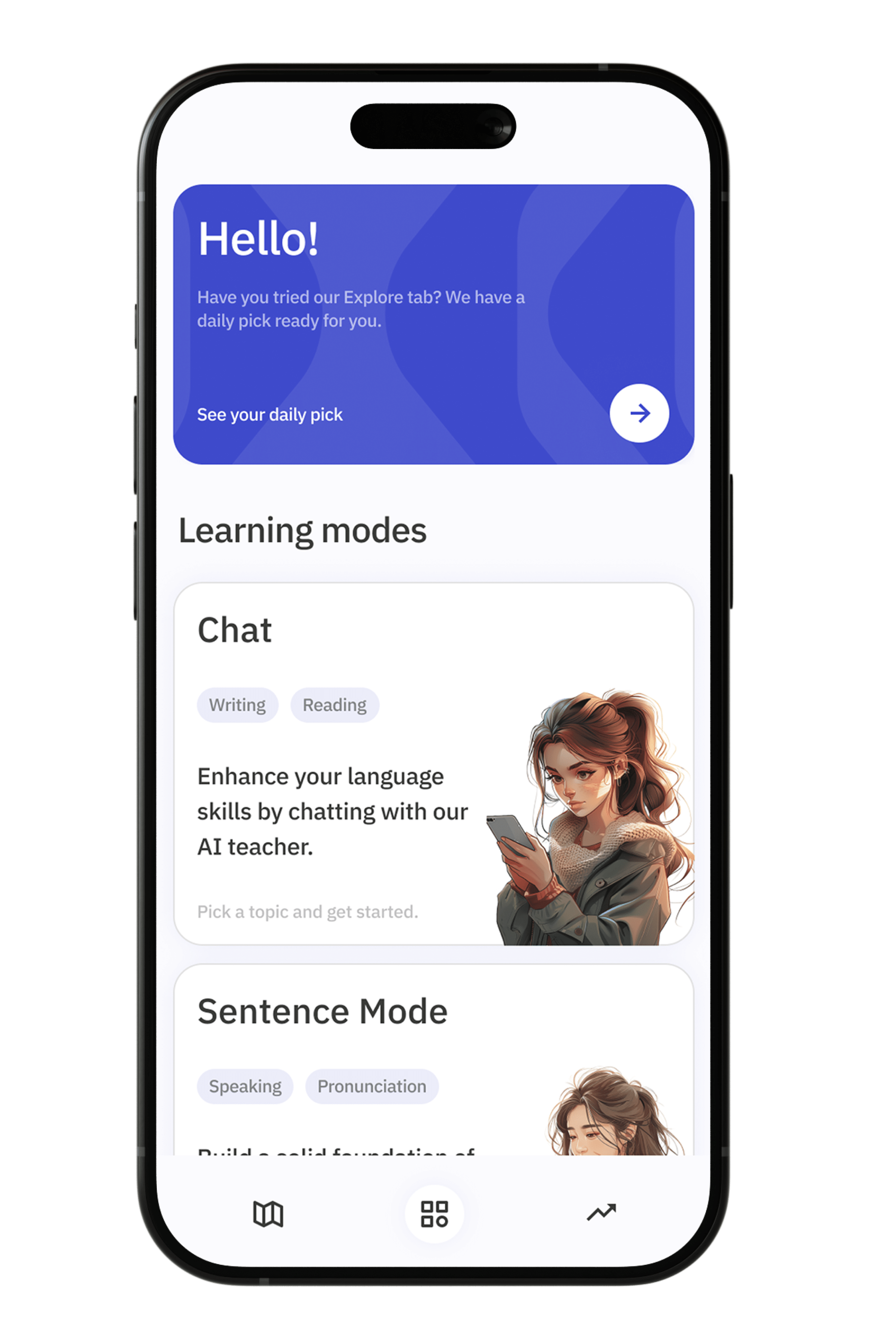
Talkpal is an AI-powered language teacher. Learn 57+ languages 5x faster with innovative technology.