
Pick a language and start learning!





Articles in idiomatic expressions Exercises in Galician language

Understanding the use of articles in idiomatic expressions is crucial for mastering the nuances of the Galician language. While articles such as "o," "a," "os," and "as" might seem straightforward, their application in idiomatic expressions often defies literal translation and standard grammatical rules. By exploring various idiomatic expressions, learners can gain a deeper appreciation for the cultural and linguistic subtleties that make Galician unique. This set of exercises is designed to help you recognize and correctly use articles within these special phrases, enhancing both your comprehension and conversational skills.
In Galician, idiomatic expressions frequently employ articles in ways that might not align with their English equivalents, adding layers of meaning and context. For instance, the expression "andar ás apalpadelas" (to grope around in the dark) uses the definite article "ás" in a manner that conveys a specific sense beyond its literal components. Similarly, "ter o demo no corpo" (to be very restless) integrates the article "o" to create a vivid image that is integral to the phrase's impact. Through targeted grammar exercises, you will learn to navigate these intricacies, ultimately enriching your understanding and fluency in Galician.
Exercise 1
<p>1. Ela está sempre *na* súa casa (preposition + definite article to mean "in the house").</p>
<p>2. Vou *á* praia todos os días (preposition + definite article to mean "to the beach").</p>
<p>3. Están *no* traballo agora (preposition + definite article to mean "at work").</p>
<p>4. Pasamos o verán *nas* montañas (preposition + definite article to mean "in the mountains").</p>
<p>5. Sempre deixo as chaves *na* mesa (preposition + definite article to mean "on the table").</p>
<p>6. A reunión é *no* salón principal (preposition + definite article to mean "in the main hall").</p>
<p>7. Os nenos están xogando *no* xardín (preposition + definite article to mean "in the garden").</p>
<p>8. Ela traballa *na* biblioteca (preposition + definite article to mean "in the library").</p>
<p>9. O libro está *na* estantería (preposition + definite article to mean "on the shelf").</p>
<p>10. Viven *na* cidade (preposition + definite article to mean "in the city").</p>
Exercise 2
<p>1. A vida é *un* camiño cheo de sorpresas (indefinite article for singular masculine noun).</p>
<p>2. É mellor previr que *curar* (verb meaning to heal).</p>
<p>3. Non deixes para *mañá* o que podes facer hoxe (word for the day after today).</p>
<p>4. Estou *moi* contento co resultado do exame (adverb meaning very).</p>
<p>5. O gato está *no* tellado (preposition + definite article for "in the roof").</p>
<p>6. Hai que poñer *as* cousas no seu sitio (definite article for plural feminine noun).</p>
<p>7. Non hai mal que por ben non *veña* (verb meaning to come).</p>
<p>8. A familia é *o* máis importante (definite article for singular masculine noun).</p>
<p>9. Ela está *na* casa agora mesmo (preposition + definite article for "in the house").</p>
<p>10. Non todo o que brilla é *ouro* (precious metal).</p>
Exercise 3
<p>1. Ela sempre vai *á* escola cedo (preposition + article for "to the" in Galician).</p>
<p>2. O libro está *na* mesa da sala (preposition + article for "on the" in Galician).</p>
<p>3. Gústame moito *o* marisco galego (definite article for "the" in Galician).</p>
<p>4. El traballa *no* xardín cada fin de semana (preposition + article for "in the" in Galician).</p>
<p>5. A reunión será *á* tarde (preposition + article for "in the" in Galician referring to time).</p>
<p>6. Esta é *a* mellor opción para nós (definite article for "the" in Galician).</p>
<p>7. *As* flores están moi bonitas este ano (definite article for "the" in Galician, plural).</p>
<p>8. Preciso ir *ao* médico mañá (preposition + article for "to the" in Galician).</p>
<p>9. Eles sempre xogan *co* can no parque (preposition + article for "with the" in Galician).</p>
<p>10. Non podo atopar *o* meu teléfono (definite article for "the" in Galician).</p>
Enhance Your Language Skills with AI
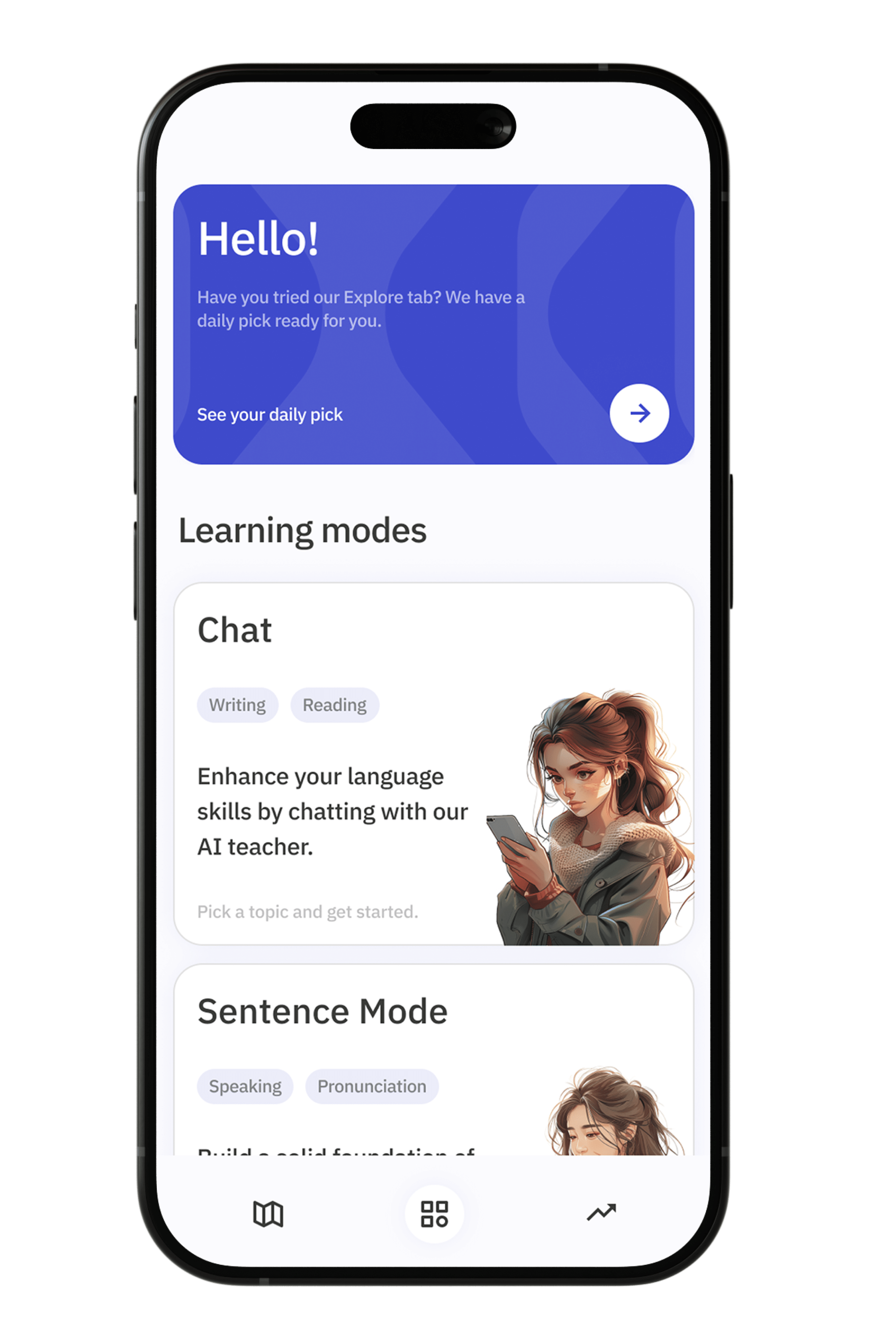
Talkpal is an AI-powered language teacher. Learn 57+ languages 5x faster with innovative technology.