
Pick a language and start learning!


Conjunctions in indirect speech Exercises in Slovak language

Conjunctions play a crucial role in the structure of indirect speech, especially in the Slovak language. When conveying someone else's words without quoting them directly, understanding how to correctly use conjunctions ensures clarity and grammatical accuracy. These linguistic connectors are essential for linking clauses and maintaining the flow of the sentence. Mastering conjunctions in indirect speech not only enhances your proficiency in Slovak but also helps in achieving more natural and fluid communication.
In Slovak, indirect speech often requires subtle adjustments to verb tenses and pronouns, and the appropriate use of conjunctions is paramount in these transformations. Common conjunctions used in indirect speech include "že" (that), "aby" (so that), "keď" (when), and "pretože" (because). Each conjunction has its specific function and rules of usage, and mixing them up can lead to misunderstandings or awkward sentences. This page provides various grammar exercises designed to help you practice and perfect the use of conjunctions in indirect speech, ensuring you can confidently and accurately convey reported statements in Slovak.
Exercise 1
<p>1. Peter povedal, že *keď* príde domov, urobí si večeru (conjunction for "when").</p>
<p>2. Marta si myslela, že *hoci* prší, pôjde na prechádzku (conjunction for "although").</p>
<p>3. Pavel sa pýtal, *prečo* si to neurobil včas (conjunction for "why").</p>
<p>4. Jana si uvedomila, že *kým* príde autobus, bude pršať (conjunction for "by the time").</p>
<p>5. Učiteľka im vysvetlila, že *ak* budú študovať, dostanú dobré známky (conjunction for "if").</p>
<p>6. Milan poznamenal, že *pretože* je unavený, pôjde si ľahnúť (conjunction for "because").</p>
<p>7. Rodičia jej povedali, že *kým* sa nevrátia, nemá ísť von (conjunction for "until").</p>
<p>8. Hovoril, že *keď* bude hotový, zavolá nám (conjunction for "when").</p>
<p>9. Zuzana si myslela, že *aj keď* je neskoro, ešte stihne vlak (conjunction for "even though").</p>
<p>10. Martin vysvetlil, že *ako* sa to stalo, nevie nikto (conjunction for "how").</p>
Exercise 2
<p>1. Peter povedal, *že* príde neskôr (conjunction for "that").</p>
<p>2. Jana sa opýtala, *či* máš čas (conjunction for "if" or "whether").</p>
<p>3. Myslím, *že* sme spravili dobré rozhodnutie (conjunction for "that").</p>
<p>4. Nevedel som, *ako* sa tam dostaneme (conjunction for "how").</p>
<p>5. Spýtali sa ma, *kedy* budem doma (conjunction for "when").</p>
<p>6. Povedala, *prečo* odišla skôr (conjunction for "why").</p>
<p>7. Neviem, *kde* je moja kniha (conjunction for "where").</p>
<p>8. Opýtal sa, *či* som videl ten film (conjunction for "if" or "whether").</p>
<p>9. Učiteľ vysvetlil, *že* test bude ťažký (conjunction for "that").</p>
<p>10. Zaujímalo ich, *čo* sa stalo (conjunction for "what").</p>
Exercise 3
<p>1. Marta povedala, že *nemôže* prísť na večierok (verb meaning 'cannot').</p>
<p>2. Učiteľ vysvetlil, že *budeme* mať test budúci týždeň (verb meaning 'will have').</p>
<p>3. Peter tvrdil, že *videl* film už trikrát (verb meaning 'saw').</p>
<p>4. Anna priznala, že *rozumie* tejto téme (verb meaning 'understands').</p>
<p>5. Marek povedal, že *príde* zajtra (verb meaning 'will come').</p>
<p>6. Jana tvrdila, že *nechce* ísť na dovolenku (verb meaning 'does not want').</p>
<p>7. Pavol oznámil, že *dostal* novú prácu (verb meaning 'received').</p>
<p>8. Eva priznala, že *nevie* odpoveď (verb meaning 'does not know').</p>
<p>9. Ondrej povedal, že *musí* odísť skôr (verb meaning 'must').</p>
<p>10. Silvia vysvetlila, že *potrebuje* pomoc (verb meaning 'needs').</p>
Enhance Your Language Skills with AI
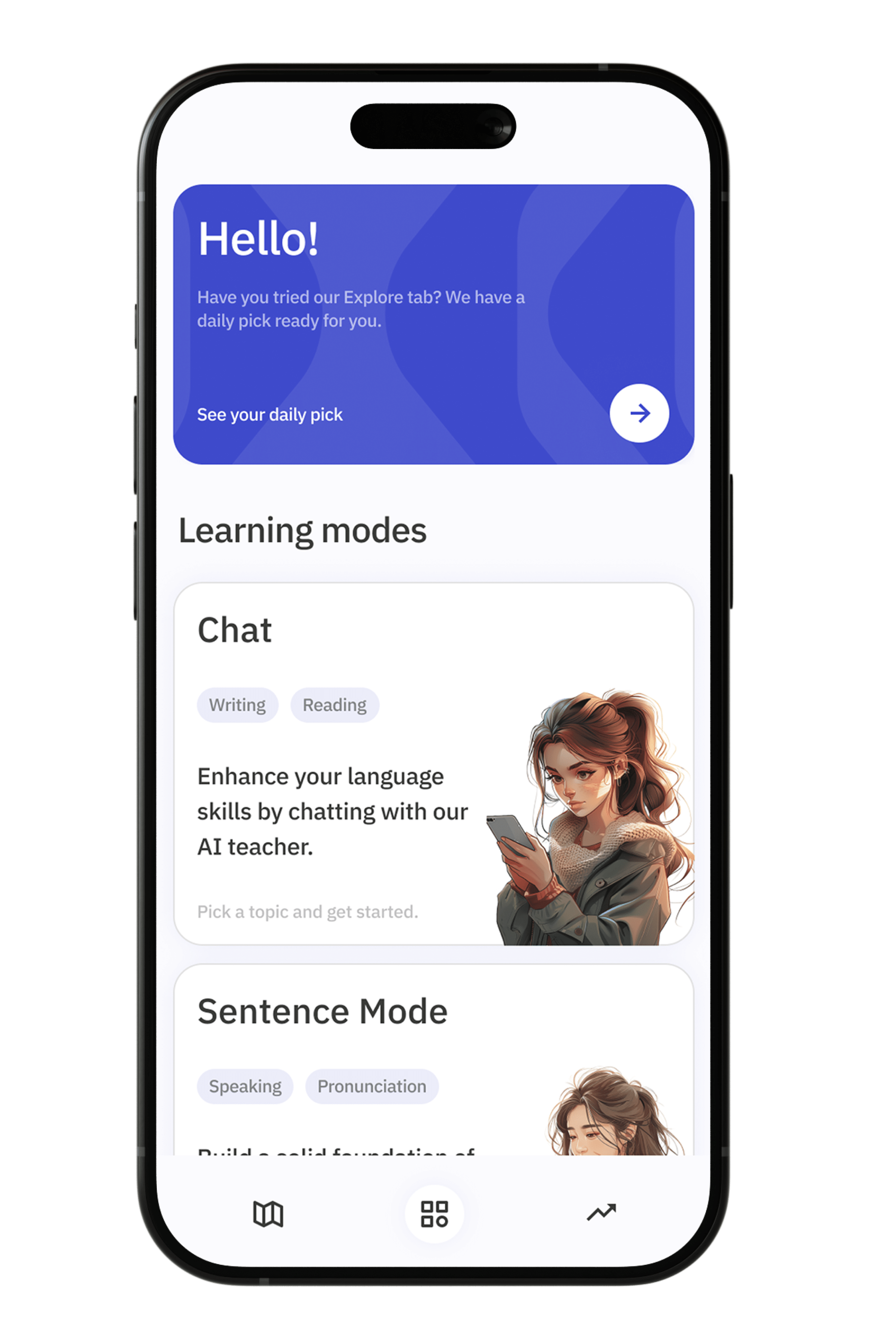
Talkpal is an AI-powered language teacher. Learn 57+ languages 5x faster with innovative technology.