
Pick a language and start learning!





Verbs of motion in different tenses Exercises in Serbian language

Understanding verbs of motion in different tenses is crucial for mastering the Serbian language. Serbian verbs of motion, such as "ići" (to go), "dolaziti" (to come), and "trčati" (to run), are fundamental in everyday communication. These verbs are unique because they not only convey the action but often include information about the direction and manner of the movement. This complexity can be challenging for English speakers, as it involves grasping nuances that are not typically present in English. By exploring these verbs in various tenses, learners can significantly enhance their ability to express movement and actions accurately in Serbian.
In Serbian, verbs of motion can be categorized by whether the movement is definite or indefinite, and this distinction affects their conjugation in different tenses. For example, the verb "ići" has different forms depending on whether the action is a one-time event or a habitual occurrence. Additionally, mastering past, present, and future tenses for these verbs requires understanding specific patterns and rules unique to the language. Our grammar exercises are designed to guide you through these intricacies, providing practical examples and structured practice to build your confidence and proficiency in using Serbian verbs of motion effectively.
Exercise 1
<p>1. On *ide* u školu (verb for going).</p>
<p>2. Mi *idemo* na izlet sutra (verb for going, plural form).</p>
<p>3. Oni su *došli* kući kasno sinoć (verb for coming, past tense, plural form).</p>
<p>4. Ti *dolaziš* na koncert večeras (verb for coming).</p>
<p>5. Ona će *otići* u biblioteku posle ručka (verb for leaving, future tense).</p>
<p>6. Mi smo *otišli* na more prošle godine (verb for leaving, past tense, plural form).</p>
<p>7. Ja *trčim* svakog jutra (verb for running).</p>
<p>8. Oni su *šetali* parkom juče (verb for walking, past tense, plural form).</p>
<p>9. Vi *putujete* u inostranstvo sledeće nedelje (verb for traveling, plural form).</p>
<p>10. Ona *šeta* psa svaki dan (verb for walking).</p>
Exercise 2
<p>1. On *ide* u školu svaki dan (verb for movement).</p> <!-- He goes to school every day. -->
<p>2. Mi smo *otišli* na more prošlog leta (past tense of verb for movement).</p> <!-- We went to the sea last summer. -->
<p>3. Sutra ćemo *putovati* u Beograd (future tense of verb for travel).</p> <!-- Tomorrow we will travel to Belgrade. -->
<p>4. Oni *dolaze* kod nas večeras (present tense of verb for coming).</p> <!-- They are coming to our place tonight. -->
<p>5. Kada sam *stigao* kući, bilo je kasno (past tense of verb for arriving).</p> <!-- When I arrived home, it was late. -->
<p>6. Ujutro *trčim* u parku (present tense of verb for running).</p> <!-- In the morning, I run in the park. -->
<p>7. Mi smo *šetali* pored reke juče (past tense of verb for walking).</p> <!-- We walked by the river yesterday. -->
<p>8. Svakog vikenda *vozim* bicikl po selu (present tense of verb for riding).</p> <!-- Every weekend, I ride a bicycle through the village. -->
<p>9. Ti ćeš *putovati* avionom sledeće nedelje (future tense of verb for travel).</p> <!-- You will travel by plane next week. -->
<p>10. Ona *dolazi* na sastanak u petak (present tense of verb for coming).</p> <!-- She is coming to the meeting on Friday. -->
Exercise 3
<p>1. On *ide* u školu svakog jutra (present tense, verb for movement).</p>
<p>2. Juče smo *otišli* na izlet u planine (past tense, verb for movement).</p>
<p>3. Sutra će oni *krenuti* na putovanje u inostranstvo (future tense, verb for movement).</p>
<p>4. Svako veče *dolazim* kući oko šest sati (present tense, verb for movement).</p>
<p>5. Pre dva dana, ona je *stigla* iz Amerike (past tense, verb for movement).</p>
<p>6. Uskoro ćeš *krenuti* na fakultet (future tense, verb for movement).</p>
<p>7. Svakog vikenda mi *šetamo* po parku (present tense, verb for movement).</p>
<p>8. Prošlog leta su *putovali* po Evropi (past tense, verb for movement).</p>
<p>9. Sledeće godine će *preseliti* u novi stan (future tense, verb for movement).</p>
<p>10. Često *trčim* ujutru pre posla (present tense, verb for movement).</p>
Enhance Your Language Skills with AI
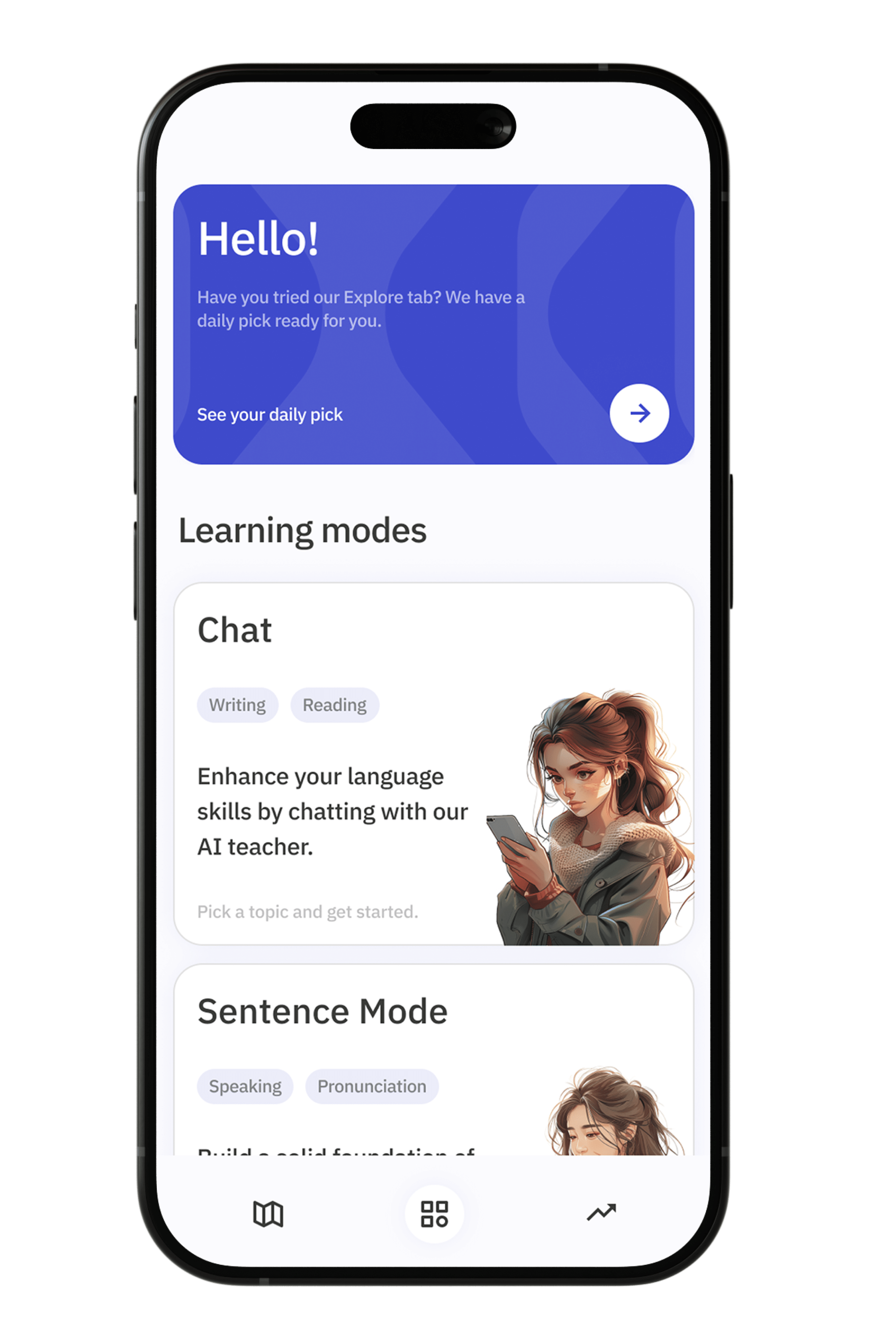
Talkpal is an AI-powered language teacher. Learn 57+ languages 5x faster with innovative technology.