
Pick a language and start learning!



Comparing people using adjectives Exercises in Latvian language

Latvian, a unique and melodious language, offers an interesting array of adjectives to compare people and their characteristics. Understanding how to properly use these adjectives is essential for anyone looking to master the nuances of Latvian conversation. The ability to compare people using adjectives not only enriches your vocabulary but also enhances your ability to express observations and describe various traits effectively. Whether you are discussing someone's height, intelligence, or kindness, having a firm grasp on these comparative structures will significantly improve your fluency and confidence in speaking Latvian.
In Latvian, the process of comparing people involves specific grammatical rules that may differ from those in English. For instance, the adjectives must agree in gender and number with the nouns they describe, and there are distinct forms for positive, comparative, and superlative degrees. This section is designed to guide you through these rules with clear explanations and practical exercises. By practicing these comparisons, you'll become more adept at describing similarities and differences among people, enhancing your conversational skills in a variety of social contexts.
Exercise 1
<p>1. Anna ir *skaistāka* nekā Marta (comparing beauty).</p>
<p>2. Jānis ir *augstāks* par savu brāli (comparing height).</p>
<p>3. Līga ir *gudrāka* nekā viņas klasesbiedri (comparing intelligence).</p>
<p>4. Mūsu suns ir *draudzīgāks* nekā kaimiņa kaķis (comparing friendliness).</p>
<p>5. Viņa māja ir *lielāka* nekā mana (comparing size of houses).</p>
<p>6. Šis ceļojums bija *interesantāks* nekā iepriekšējais (comparing interest level of trips).</p>
<p>7. Maris ir *stiprāks* par savu tēvu (comparing strength).</p>
<p>8. Zane ir *ātrāka* par savu draudzeni (comparing speed).</p>
<p>9. Šī grāmata ir *garlaicīgāka* nekā tā, ko lasīju pirms tam (comparing boredom level of books).</p>
<p>10. Viņas kleita ir *krāšņāka* nekā manējā (comparing dress elegance).</p>
Exercise 2
<p>1. Māra ir *garāka* par savu brāli (adjective for taller).</p>
<p>2. Viņa ir *gudrāka* nekā viņas draudzene (adjective for smarter).</p>
<p>3. Jānis ir *stiprāks* par savu tēvu (adjective for stronger).</p>
<p>4. Šī māja ir *lielāka* nekā mūsu vecā māja (adjective for bigger).</p>
<p>5. Suns ir *draudzīgāks* nekā kaķis (adjective for friendlier).</p>
<p>6. Viņa ir *jaunāka* par savu māsu (adjective for younger).</p>
<p>7. Viņš ir *bagātāks* nekā viņa kolēģis (adjective for richer).</p>
<p>8. Šī filma ir *interesantāka* par iepriekšējo (adjective for more interesting).</p>
<p>9. Šis ceļojums bija *garāks* par mūsu iepriekšējo ceļojumu (adjective for longer).</p>
<p>10. Viņš ir *ātrāks* nekā viņa komandas biedrs (adjective for faster).</p>
Exercise 3
<p>1. Anna ir *skaistāka* par Lindu (adj. for more beautiful).</p>
<p>2. Mans brālis ir *garāks* par mani (adj. for taller).</p>
<p>3. Šis koks ir *vecāks* nekā tas (adj. for older).</p>
<p>4. Māja ir *lielāka* par dzīvokli (adj. for bigger).</p>
<p>5. Šī grāmata ir *interesantāka* nekā filma (adj. for more interesting).</p>
<p>6. Viņa ir *gudrāka* par savu draudzeni (adj. for smarter).</p>
<p>7. Mašīna ir *ātrāka* par velosipēdu (adj. for faster).</p>
<p>8. Šis uzdevums ir *grūtāks* nekā iepriekšējais (adj. for more difficult).</p>
<p>9. Jaunais dzīvoklis ir *dārgāks* par veco (adj. for more expensive).</p>
<p>10. Rīga ir *lielāka* par jebkuru citu Latvijas pilsētu (adj. for larger).</p>
Enhance Your Language Skills with AI
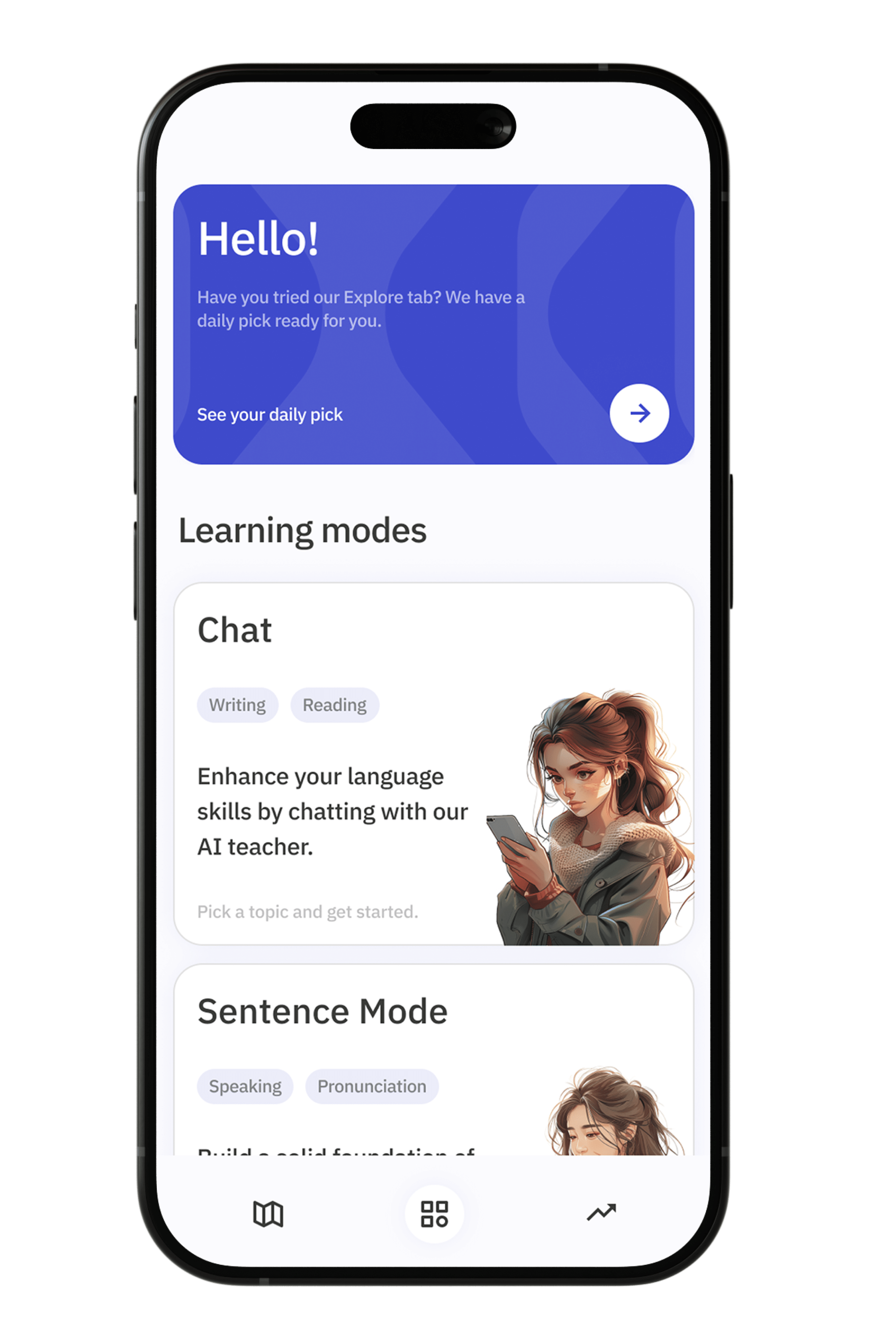
Talkpal is an AI-powered language teacher. Learn 57+ languages 5x faster with innovative technology.