
Pick a language and start learning!





Auxiliary verbs Exercises in Japanese language

Auxiliary verbs, or 助動詞 (じょどうし, jodōshi), are crucial in mastering the Japanese language as they modify the meaning of primary verbs, adding nuances related to tense, mood, politeness, and aspect. Understanding and using auxiliary verbs correctly can significantly improve your ability to express yourself accurately and appropriately in various situations. This section will guide you through the complexities of Japanese auxiliary verbs, providing clear explanations and practical exercises to solidify your understanding.
In Japanese, auxiliary verbs attach to the stems of main verbs or adjectives, altering their meaning to convey different states or actions. For instance, the auxiliary verb たい (tai) expresses a desire to do something, while ます (masu) adds a level of politeness to the verb it attaches to. These small yet powerful words play a pivotal role in crafting sentences that are not only grammatically correct but also contextually appropriate. Through targeted grammar exercises, you will practice using auxiliary verbs in a variety of contexts, helping you to gain confidence and proficiency in your Japanese communication skills.
Exercise 1
<p>1. 彼は毎日学校に*行きます* (to go)。</p>
<p>2. 私は昨日宿題を*しました* (to do)。</p>
<p>3. 明日友達と映画を*見ます* (to watch)。</p>
<p>4. 彼女は日本語を*話せます* (can speak)。</p>
<p>5. 私たちは次の週末に旅行に*行きます* (to go)。</p>
<p>6. 彼はピアノを*弾けます* (can play)。</p>
<p>7. 私は毎朝ジョギングを*します* (to do)。</p>
<p>8. 彼女は英語の本を*読んでいます* (to read)。</p>
<p>9. 私たちは新しいレストランで夕食を*食べました* (to eat)。</p>
<p>10. 彼は友達に手紙を*書きました* (to write)。</p>
Exercise 2
<p>1. 私は毎日ジムに*行きます* (verb for "to go").</p>
<p>2. 明日、雨が*降るでしょう* (verb for "to fall" and future tense). </p>
<p>3. 彼女は今、宿題を*しています* (verb for "to do" in present continuous form).</p>
<p>4. 彼はもうすぐ帰って*くる* (verb for "to come" in future tense). </p>
<p>5. この本はとても面白いので、*読んでみます* (verb for "to try to read").</p>
<p>6. その映画をもう*見ました* (verb for "to watch" in past tense).</p>
<p>7. 彼女はピアノが*弾けます* (verb for "to play an instrument" in potential form). </p>
<p>8. 彼は友達と*遊んでいます* (verb for "to play" in present continuous form).</p>
<p>9. 私は毎朝6時に*起きます* (verb for "to wake up").</p>
<p>10. 彼女は毎晩本を*読みます* (verb for "to read" in present tense). </p>
Exercise 3
<p>1. 明日は雨が *降る* そうです (verb indicating future weather prediction).</p>
<p>2. 彼は毎日ジョギングを *している* (verb indicating a habitual action).</p>
<p>3. この本はとても *面白かった* (verb indicating past tense of an adjective meaning interesting).</p>
<p>4. 彼女は新しい仕事を *始めた* (verb indicating the start of an action or job).</p>
<p>5. 田中さんはまだ *寝ている* かもしれません (verb indicating a current state of sleeping).</p>
<p>6. 彼は映画を見に *行く* 予定です (verb indicating a planned action).</p>
<p>7. この料理は *食べられない* ほど辛い (verb indicating inability to do something).</p>
<p>8. 彼女は早く帰って *来た* (verb indicating the completion of returning home).</p>
<p>9. 兄は来年アメリカに *行く* つもりです (verb indicating a future intention to go somewhere).</p>
<p>10. この課題は明日までに *終わらせる* 必要があります (verb indicating the need to complete an action).
Enhance Your Language Skills with AI
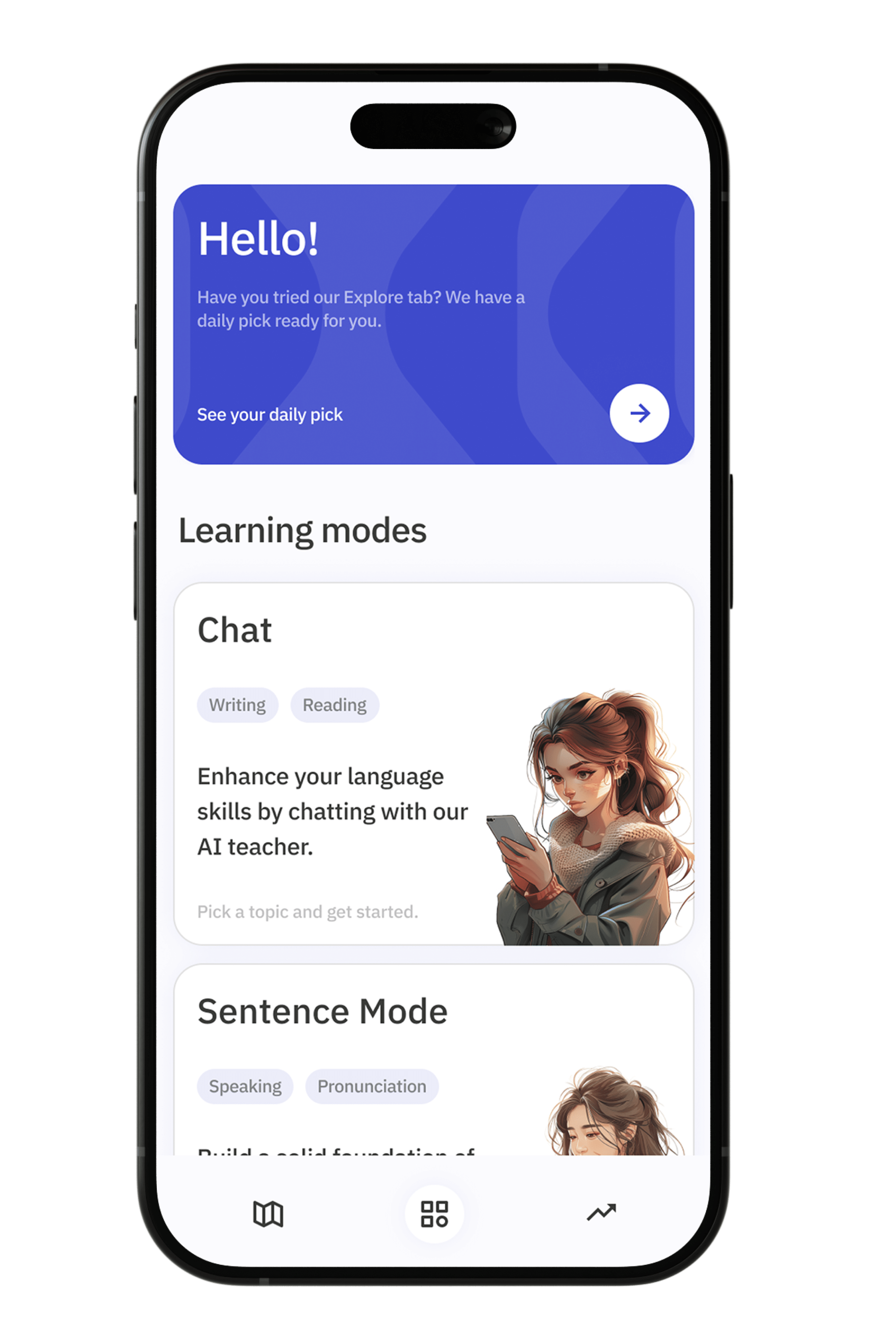
Talkpal is an AI-powered language teacher. Learn 57+ languages 5x faster with innovative technology.