
Pick a language and start learning!





Zero article usage Exercises in Arabic language

Understanding the nuances of zero article usage can be particularly challenging for Arabic speakers learning English. In Arabic, the definite article "ال" (al-) is commonly used, but English often omits articles in certain contexts where Arabic would typically use them. This discrepancy can lead to confusion and errors in English grammar. By mastering the rules and contexts for zero article usage, Arabic speakers can significantly improve their fluency and accuracy in English.
Zero article usage refers to instances where no article (neither "a," "an," nor "the") is used before a noun. This often occurs with proper nouns, uncountable nouns, and plural nouns when referring to them in a general sense. For example, in English, we say "I love coffee," "She goes to school," or "He visited Paris," without any articles. Understanding these specific cases and practicing through exercises can help Arabic speakers internalize these rules, making their English more natural and grammatically correct.
Exercise 1
<p>1. I want to buy *bread* from the market (something you can eat).</p>
<p>2. She traveled to *Paris* last summer (capital city in Europe).</p>
<p>3. He is studying *mathematics* at the university (academic subject).</p>
<p>4. We need to clean *room* before the guests arrive (a part of a house).</p>
<p>5. They are watching *television* in the living room (something you watch).</p>
<p>6. She plays *piano* beautifully (a musical instrument).</p>
<p>7. He enjoys reading *books* in his free time (something you read).</p>
<p>8. I have a meeting with *manager* this afternoon (a person at work).</p>
<p>9. They went to *beach* for their vacation (a place near the sea).</p>
<p>10. She loves painting *pictures* on the weekends (something you create with colors).</p>
Exercise 2
<p>1. I need to buy *bread* for breakfast. (Common food item)</p>
<p>2. She is drinking *water* to stay hydrated. (Common beverage)</p>
<p>3. We are going to play *soccer* in the park. (Popular sport)</p>
<p>4. They are studying *medicine* at the university. (Field of study)</p>
<p>5. He enjoys listening to *music* in his free time. (Common hobby)</p>
<p>6. She loves painting *landscapes* in her art class. (Type of artwork)</p>
<p>7. I want to learn more about *history* of ancient civilizations. (Academic subject)</p>
<p>8. They are practicing *yoga* to improve their flexibility. (Type of exercise)</p>
<p>9. She bought *flowers* for her mother's birthday. (Common gift item)</p>
<p>10. We need to pack *lunch* for the trip. (Meal of the day)</p>
Exercise 3
<p>1. *ذهب* إلى السوق كل صباح (verb for going).</p>
<p>2. *قرأ* الكتاب في المكتبة (verb for reading).</p>
<p>3. *جلس* على الكرسي بجانب النافذة (verb for sitting).</p>
<p>4. *كان* الطقس جميلاً اليوم (verb for being).</p>
<p>5. *أكل* الفطور في المطعم (verb for eating).</p>
<p>6. *شاهد* الفيلم في السينما (verb for watching).</p>
<p>7. *كتب* الرسالة إلى صديقه (verb for writing).</p>
<p>8. *ركب* الحافلة إلى المدرسة (verb for riding).</p>
<p>9. *عاد* إلى المنزل بعد العمل (verb for returning).</p>
<p>10. *استمع* إلى الموسيقى في غرفته (verb for listening).</p>
Enhance Your Language Skills with AI
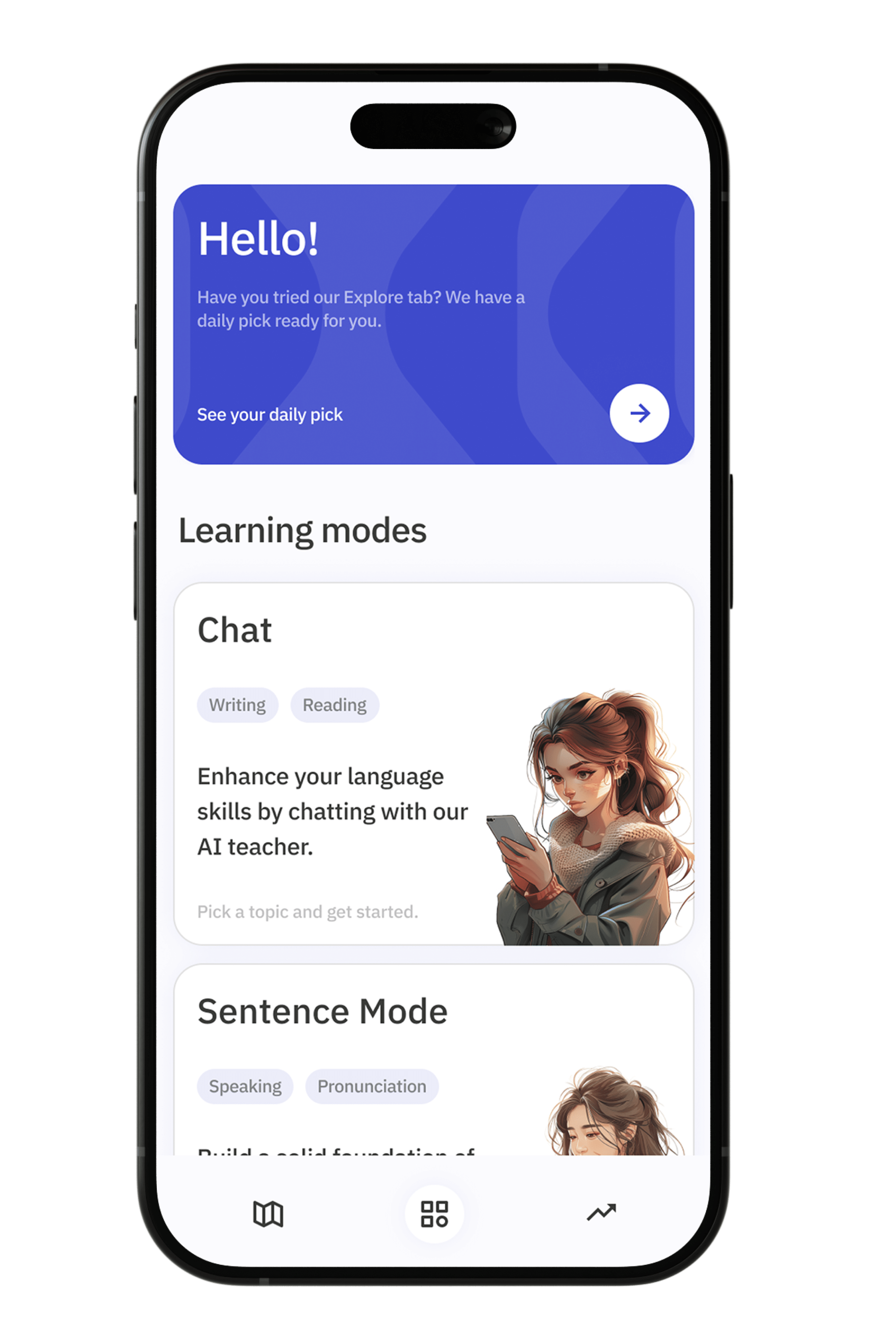
Talkpal is an AI-powered language teacher. Learn 57+ languages 5x faster with innovative technology.