
Pick a language and start learning!





Present perfect tense Exercises in Spanish language

The present perfect tense in Spanish, also known as "pretérito perfecto," is an essential aspect of the language that connects past actions or events to the present. This tense is used to describe actions that have been completed at some point before now, but the exact time of completion is not specified. It conveys the idea that the action has relevance or a continuing effect in the present moment. For example, "He comido" translates to "I have eaten," implying that the action of eating was completed, but it has a bearing on the current situation, such as the speaker not being hungry anymore.
Mastering the present perfect tense is crucial for effective communication in Spanish, as it is frequently used in everyday conversations, storytelling, and even formal contexts. The construction of this tense involves the present tense of the auxiliary verb "haber" (to have) combined with the past participle of the main verb. For instance, "haber" is conjugated as "he, has, ha, hemos, habéis, han," and then paired with past participles like "comido" (eaten) or "vivido" (lived). Understanding and practicing the present perfect tense will not only enhance your fluency but also enable you to express nuances and connections between past and present events with greater clarity and precision.
Exercise 1
<p>1. María *ha comido* en ese restaurante (verb for eating).</p>
<p>2. Nosotros *hemos visto* esa película muchas veces (verb for watching).</p>
<p>3. Ellos *han viajado* a España este verano (verb for traveling).</p>
<p>4. Yo *he leído* ese libro dos veces (verb for reading).</p>
<p>5. Tú *has escrito* una carta muy bonita (verb for writing).</p>
<p>6. Juan y Ana *han hecho* la tarea juntos (verb for doing).</p>
<p>7. Nosotros *hemos comprado* un coche nuevo (verb for buying).</p>
<p>8. Ella *ha dicho* la verdad sobre el incidente (verb for saying).</p>
<p>9. Vosotros *habéis bebido* demasiado café hoy (verb for drinking).</p>
<p>10. Ellas *han roto* el jarrón por accidente (verb for breaking).</p>
Exercise 2
<p>1. Nosotros *hemos estudiado* para el examen (study for the exam).</p>
<p>2. Ella *ha comido* en ese restaurante muchas veces (eat at that restaurant).</p>
<p>3. Tú *has leído* ese libro varias veces (read that book).</p>
<p>4. Ellos *han visitado* a sus abuelos este mes (visit their grandparents).</p>
<p>5. Yo *he escrito* un correo electrónico (write an email).</p>
<p>6. Mi hermana *ha comprado* un coche nuevo (buy a new car).</p>
<p>7. Vosotros *habéis visto* esa película (see that movie).</p>
<p>8. Juan *ha terminado* su tarea (finish his homework).</p>
<p>9. Nosotros *hemos viajado* a España (travel to Spain).</p>
<p>10. Ellas *han bailado* toda la noche (dance all night).</p>
Exercise 3
<p>1. María *ha leído* el libro tres veces (to read).</p>
<p>2. Nosotros *hemos comido* en ese restaurante muchas veces (to eat).</p>
<p>3. Ellos *han viajado* a España este verano (to travel).</p>
<p>4. Tú *has estudiado* mucho para el examen (to study).</p>
<p>5. Yo *he escrito* una carta a mi abuela (to write).</p>
<p>6. ¿Ustedes *han visto* esa película nueva? (to see).</p>
<p>7. Él *ha trabajado* en esa empresa por cinco años (to work).</p>
<p>8. Vosotros *habéis aprendido* mucho en la clase de español (to learn).</p>
<p>9. Ella *ha cantado* en el coro desde pequeña (to sing).</p>
<p>10. Nosotros *hemos vivido* en esta ciudad toda nuestra vida (to live).</p>
Enhance Your Language Skills with AI
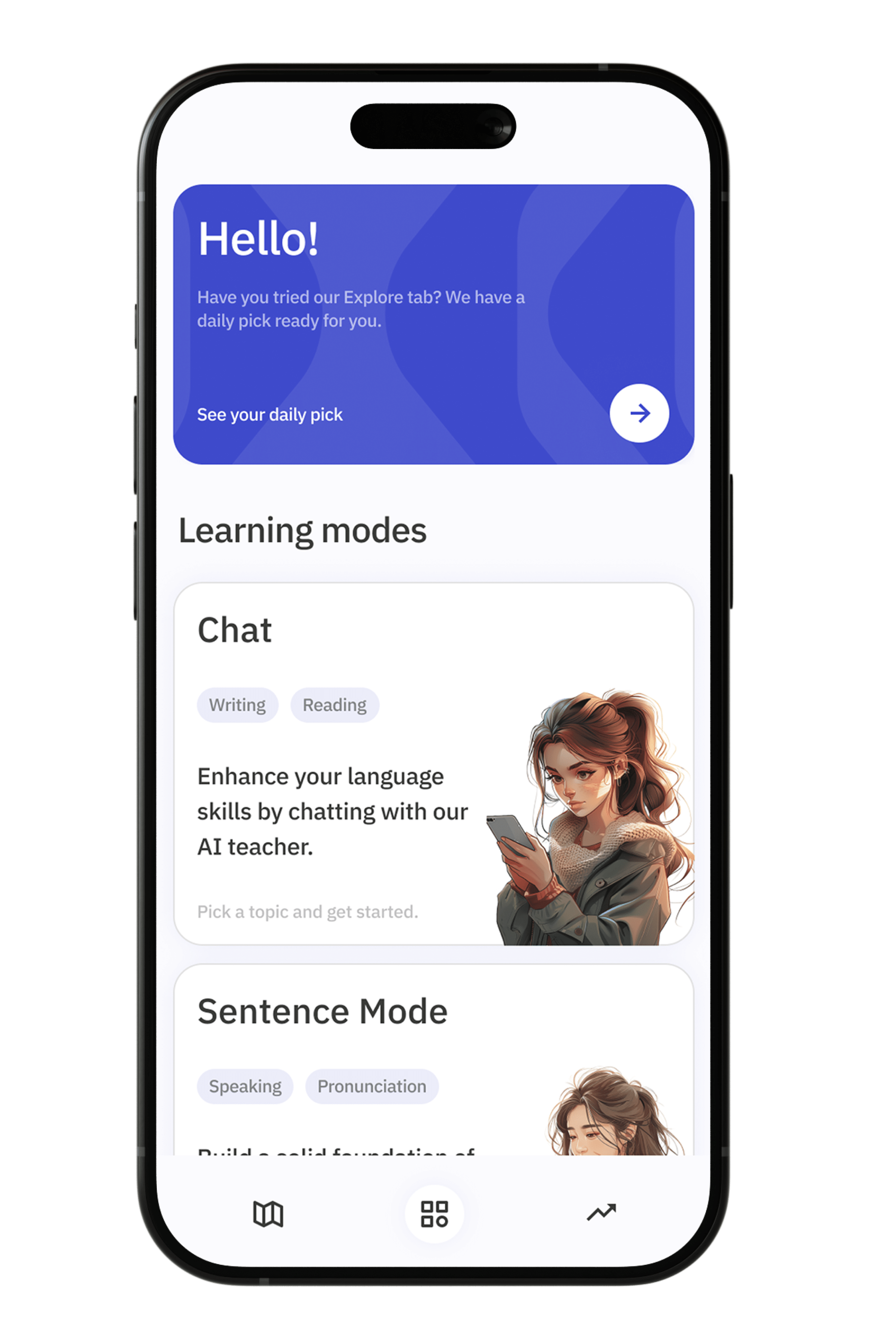
Talkpal is an AI-powered language teacher. Learn 57+ languages 5x faster with innovative technology.