
Pick a language and start learning!





Prepositions in idiomatic expressions Exercises in German language

Mastering prepositions in idiomatic expressions is essential for achieving fluency in any language, and German is no exception. These small but mighty words can dramatically alter the meaning of phrases and sentences, making them a key component of effective communication. In German, prepositions often pair with specific verbs, adjectives, and nouns to form idiomatic expressions that are not always directly translatable into English. Understanding these nuances will not only enhance your comprehension but also enable you to express yourself more naturally and accurately.
Our grammar exercises are designed to help you navigate the intricacies of German prepositional idioms. Through a series of engaging activities, you’ll become familiar with common expressions, learn to recognize patterns, and practice their correct usage in context. Whether you're a beginner aiming to build a solid foundation or an advanced learner looking to refine your skills, these exercises will provide valuable insights and practical experience. Dive in and discover how mastering prepositional idioms can elevate your German language proficiency to new heights.
Exercise 1
<p>1. Er ist *auf* dem Weg nach Hause (preposition for "on" or "at").</p>
<p>2. Sie haben das Projekt *in* Angriff genommen (preposition for initiating something). </p>
<p>3. Ich bin *mit* allem einverstanden (preposition for agreement). </p>
<p>4. Wir fahren *nach* Berlin (preposition for direction). </p>
<p>5. Er hat das Haus *aus* Angst verlassen (preposition for reason). </p>
<p>6. Sie ist *bei* der Arbeit (preposition for location). </p>
<p>7. Er hat sich *über* das Geschenk gefreut (preposition for expressing joy). </p>
<p>8. Sie wartet *auf* den Bus (preposition for waiting). </p>
<p>9. Er hat sich *um* die Stelle beworben (preposition for applying). </p>
<p>10. Sie spricht *mit* ihm (preposition for communication). </p>
Exercise 2
<p>1. Er hat sich *über* die schlechte Nachricht geärgert (preposition indicating the cause of anger).</p>
<p>2. Wir freuen uns *auf* den Sommerurlaub (preposition indicating anticipation).</p>
<p>3. Sie haben sich *an* die neuen Regeln gewöhnt (preposition indicating adaptation).</p>
<p>4. Er träumt *von* einer Weltreise (preposition indicating the object of a dream).</p>
<p>5. Sie hat sich *mit* ihm gestritten (preposition indicating the person involved in an argument).</p>
<p>6. Die Kinder spielen *mit* dem neuen Spielzeug (preposition indicating the object used for playing).</p>
<p>7. Sie wartet *auf* den Bus (preposition indicating the object of waiting).</p>
<p>8. Er interessiert sich *für* Geschichte (preposition indicating the subject of interest).</p>
<p>9. Wir haben uns *über* das Problem unterhalten (preposition indicating the topic of conversation).</p>
<p>10. Sie hat sich *in* ihn verliebt (preposition indicating the person one falls in love with).</p>
Exercise 3
<p>1. Er ist nicht *bei* Sinnen (preposition for being in a state).</p>
<p>2. Sie hat das Geschenk *für* ihren Freund gekauft (preposition indicating purpose).</p>
<p>3. Wir treffen uns *am* Bahnhof (preposition for location).</p>
<p>4. Der Hund sprang *über* den Zaun (preposition for movement across).</p>
<p>5. Ich bin *mit* dem Ergebnis zufrieden (preposition indicating accompaniment).</p>
<p>6. Sie geht *ohne* ihren Regenschirm aus (preposition indicating absence).</p>
<p>7. Er hat sich *in* sie verliebt (preposition for indicating a state of affection).</p>
<p>8. Sie sprach *von* ihren Plänen (preposition indicating the topic of speech).</p>
<p>9. Die Kinder spielen *auf* dem Spielplatz (preposition indicating location).</p>
<p>10. Er wartet *auf* den Bus (preposition indicating waiting for something).</p>
Enhance Your Language Skills with AI
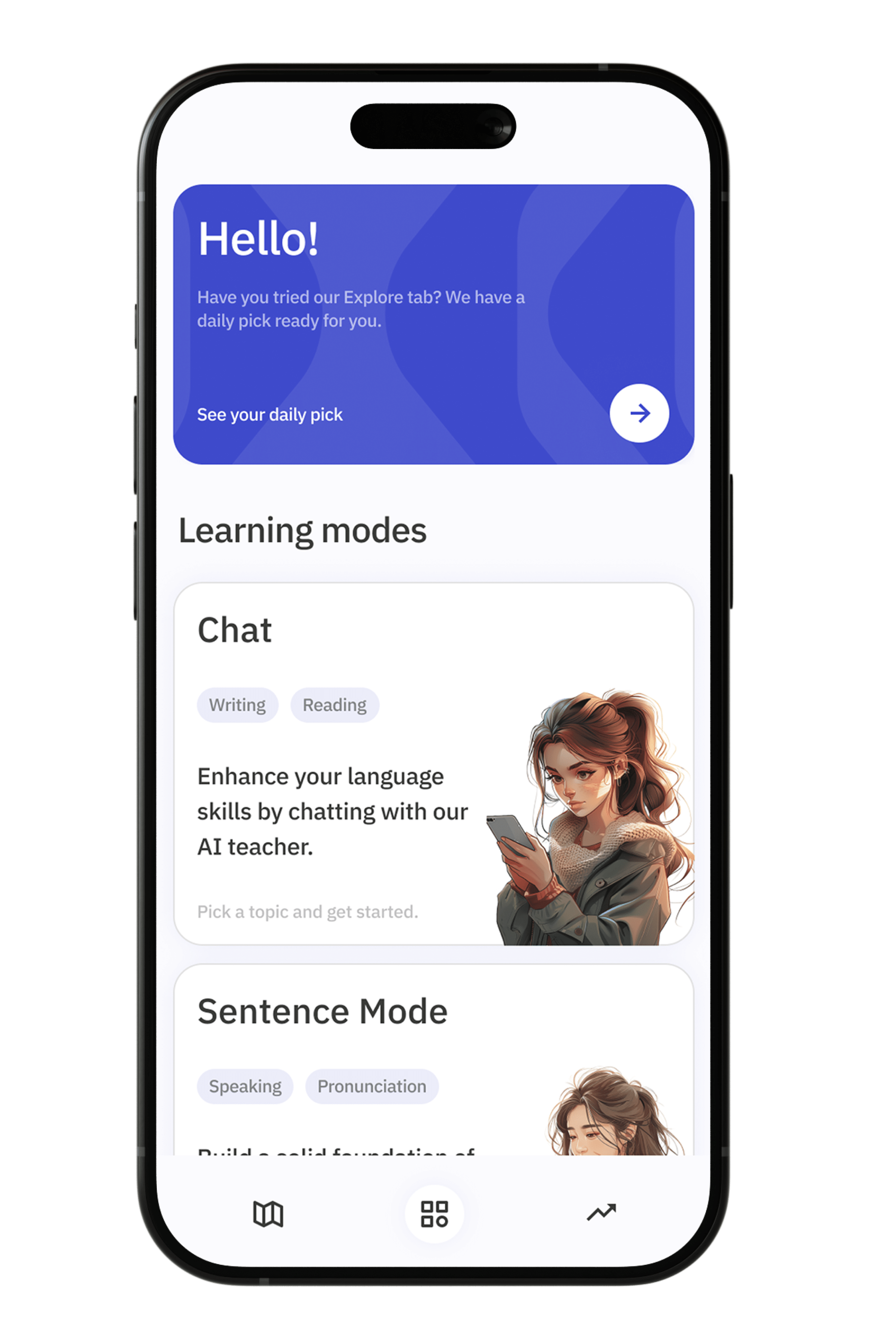
Talkpal is an AI-powered language teacher. Learn 57+ languages 5x faster with innovative technology.